Aquarium Plants
Why Your Aquarium Plants Are Melting or Dying
New plants going mushy? Leaves yellowing for no reason? Here's how to tell melt from death, what's causing it, and when to wait it out.
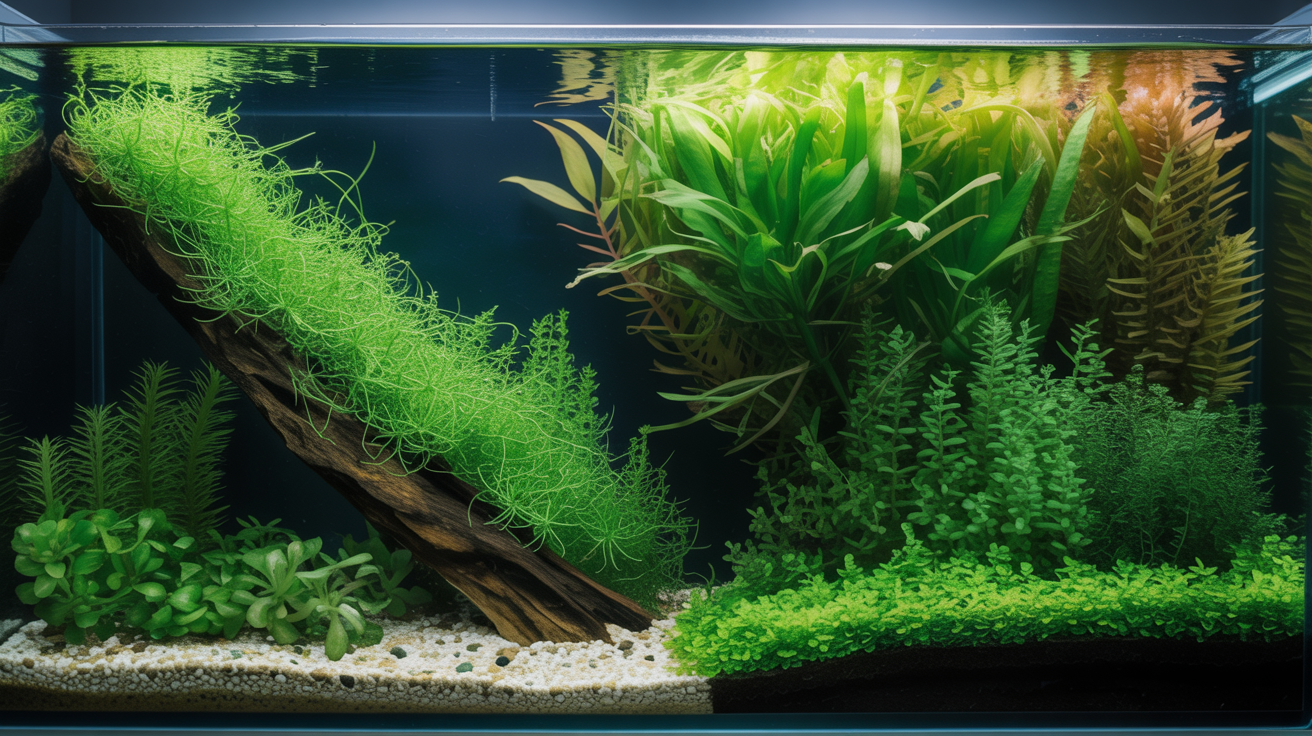
You just planted a handful of stems and a rosette or two, waited a week, and now half the leaves are brown, soft, or dissolving into mush. Before you pull everything out and give up on live plants, it helps to understand what is actually happening. Most of the time the plant is not dead. It is going through a significant physiological change and it looks terrible while it does.
What Plant Melt Actually Is
The vast majority of aquarium plants sold in stores were grown above water, or at least partially above water. Nurseries use this method because emersed growth is faster and easier to maintain at scale. The leaves grown above the waterline are structurally different from submersed leaves: thicker cuticle, different cell structure, different approach to gas exchange.
When you drop those plants into your tank, the old emersed leaves cannot do their job properly underwater. The plant recognizes this and begins to shed them while it redirects energy toward growing new submersed leaves suited to life fully underwater. The old leaves break down, which looks like melting: soft brown or translucent patches, mushy tissue, leaves falling apart when touched.
This is normal. It does not mean your plants are dying.
Species that melt most dramatically after planting:
- Cryptocoryne (the classic "crypt melt" is almost a rite of passage)
- Hygrophila
- Bacopa
- Most stem plants bought from in-store bunches
The new growth will look different from the original leaves, and it will arrive in a few weeks. Your job during this period is to keep conditions stable, do your regular water changes, and resist the urge to uproot and replant. Every time you disturb the roots during melt recovery, you reset the clock.
For guidance on planting without stressing roots, see how to plant and anchor aquarium plants.
Causes Beyond Melt: Why Established Plants Die or Yellow
Once a plant has been in your tank for a month or more, melt is no longer the likely explanation. Something in the environment is holding it back. The most common culprits are light, nutrients, and carbon dioxide.
Light
This is the single most common reason plants fail in beginner tanks. Most LED fixtures sold with starter kits are designed to make fish look attractive, not to grow plants. They tend to be underpowered for planted setups.
Plants need adequate light intensity to photosynthesize, and duration matters too. Aim for 8 to 10 hours per day on a timer. If you are not sure whether your light is up to the task, start with easy low-demand species before expecting much from high-light plants.
If you want species that are genuinely forgiving under modest light, best low-light aquarium plants for beginners is a good place to start.
Signs that light is the problem: slow or no new growth, yellowing starting in the older leaves toward the bottom of the plant, leggy stems stretching toward the surface.
Nutrients
Plants need macronutrients (nitrogen, phosphorus, potassium) and micronutrients (iron, magnesium, and a range of trace elements). In a tank with fish and regular feeding, nitrogen is usually not the problem. Iron and potassium deficiencies are more common.
Iron deficiency shows up as yellowing between the leaf veins while the veins themselves stay green. This is called interveinal chlorosis, and it is one of the cleaner diagnostic signs in planted tanks. A liquid fertilizer that includes iron will often resolve it within a couple of weeks.
Potassium deficiency tends to show as small holes or pinholes in leaves, sometimes with the edges going yellow or brown. A balanced all-in-one liquid fertilizer or a specific potassium supplement handles this.
The substrate matters too. Plants that root heavily (crypts, swords) do better with a nutrient-rich substrate or root tabs placed near their roots. Plain gravel provides no nutrients.
CO2
Carbon dioxide is a core ingredient for photosynthesis. Your tank has some dissolved CO2 naturally from fish respiration and surface agitation, but heavily planted tanks often run short.
Low CO2 shows up as slow growth, yellowing, and sometimes as algae problems because the plants are not growing fast enough to out-compete algae for nutrients.
Whether you need to add CO2 depends on how many plants you are keeping and how much light you are running. Do you need CO2 for a planted tank covers when it makes a real difference and what your options are if you decide to add it.
Planting Depth
A detail that catches beginners: most aquarium plants should not be buried deep. The crown (the point where roots meet stem or leaves) needs to stay above the substrate. Bury the crown and you will get rot at the base, followed by leaves falling off from the bottom up.
Rosette plants like crypts and swords should have their crowns sitting right at substrate level. Stem plants go in deep enough to hold without floating free, which is usually 3 to 5 centimeters.
Symptom-to-Cause Quick Reference
| What you see | Likely cause | What to do |
|---|---|---|
| Mushy brown leaves within 1 to 3 weeks of planting | Emersed-to-submersed transition melt | Wait; do not uproot |
| New growth emerging from center or tips | Plant is recovering | Keep conditions stable |
| No new growth after 4 or more weeks | Nutrient or light deficiency, or crown buried | Diagnose conditions; check planting depth |
| Yellowing with green veins (interveinal chlorosis) | Iron deficiency | Add liquid fertilizer with iron |
| Pinholes or ragged leaf edges | Potassium deficiency | Balanced fertilizer or potassium supplement |
| Stems rotting at base | Crown buried too deep | Replant shallower |
| Entire plant black and foul-smelling | Plant dead | Remove before it affects water quality |
How to Tell Melt from Actual Death
The key distinction is whether the growing points are still viable.
For rhizome plants (anubias, java fern, bucephalandra): Press gently on the rhizome. If it is firm and green or brown, the plant is alive even if every leaf has melted. A rhizome that is black, soft, and falls apart is dead.
For rosette plants (crypts, Amazon swords): Look at the crown and roots. A firm crown with healthy roots means the plant is alive even if all visible leaves have melted off. An entire pot of crypts can reduce to bare rhizomes over ten days and still recover fully.
For stem plants: Check the nodes where leaves attach. If the node tissue is green and firm, new leaves will push from there. If the stem is black and limp from the base up, cut back to healthy tissue, trim off the lower inch or two, and replant the cutting.
A plant in melt almost always has new growth pushing through somewhere. If you see any green new leaves emerging from the center of a rosette or from the growing tip of a stem, the plant is alive and working. If there is no new growth at all after a month and the older leaves are progressively dying off, it is worth looking at your conditions more carefully.
Trimming and Recovery
Removing melting or dead leaves helps the plant direct energy toward new growth. Use sharp scissors and cut yellowed or mushy leaves off at their base, leaving as little stub as possible without cutting into the crown itself.
For stem plants in poor condition, trim back aggressively to the healthiest nodes and replant the cuttings rather than trying to revive a rotting base.
After trimming, reassess your conditions. If the plant is recovering from normal melt, maintain stable parameters and let it work. If no recovery is visible after four weeks and the growing points are still firm, consider whether light, nutrients, or CO2 are the limiting factor before giving up on the plant entirely.
The one thing to avoid: replanting repeatedly. Every time you uproot a plant, you stress its root system and restart the adaptation process. Unless you are moving a plant to a clearly better position, leave it in place and let it settle.
Frequently Asked Questions
How long does crypt melt last?
Typically two to four weeks, though some crypts melt more severely and may take a full month before new submersed leaves appear. As long as the rhizome is firm, the plant is still working through the transition. Stable water parameters and a bit of patience are the best tools here.
Should I remove the melting leaves?
Yes. Decaying plant matter breaks down and adds ammonia to the water, which stresses fish and fuels algae. Trim off any mushy or brown leaves as they appear and remove them from the tank. It will not hurt the plant.
Do I need fertilizer if I have fish?
Fish waste provides nitrogen and phosphorus, but it rarely covers iron and trace elements. Most planted tanks benefit from at least a basic liquid fertilizer or root tabs, especially if you are growing anything beyond the most undemanding mosses and ferns.
Can I prevent melt when I buy new plants?
Not entirely, but you can reduce it. Tissue culture plants (sold in sealed plastic cups) were grown submersed in lab conditions, so they skip the emersed-to-submersed transition and rarely melt. They tend to cost more, but the tradeoff is worth it for species like crypts that are notorious for dramatic melt.
My plants are not melting but they are not growing either. What is wrong?
Stalled growth without obvious decline usually points to light or nutrients. Check that your light is running 8 to 10 hours per day, that the surface of the glass is clean (a dirty top panel cuts intensity noticeably), and consider whether your fertilizer routine matches the demands of the plants you are keeping.