Fish Profiles
Platy Fish Care: Hardy, Colorful, and Perfect for Beginners
Platys are forgiving freshwater fish that tolerate a wide range of water conditions and come in dozens of color forms. Here is how to keep them well.
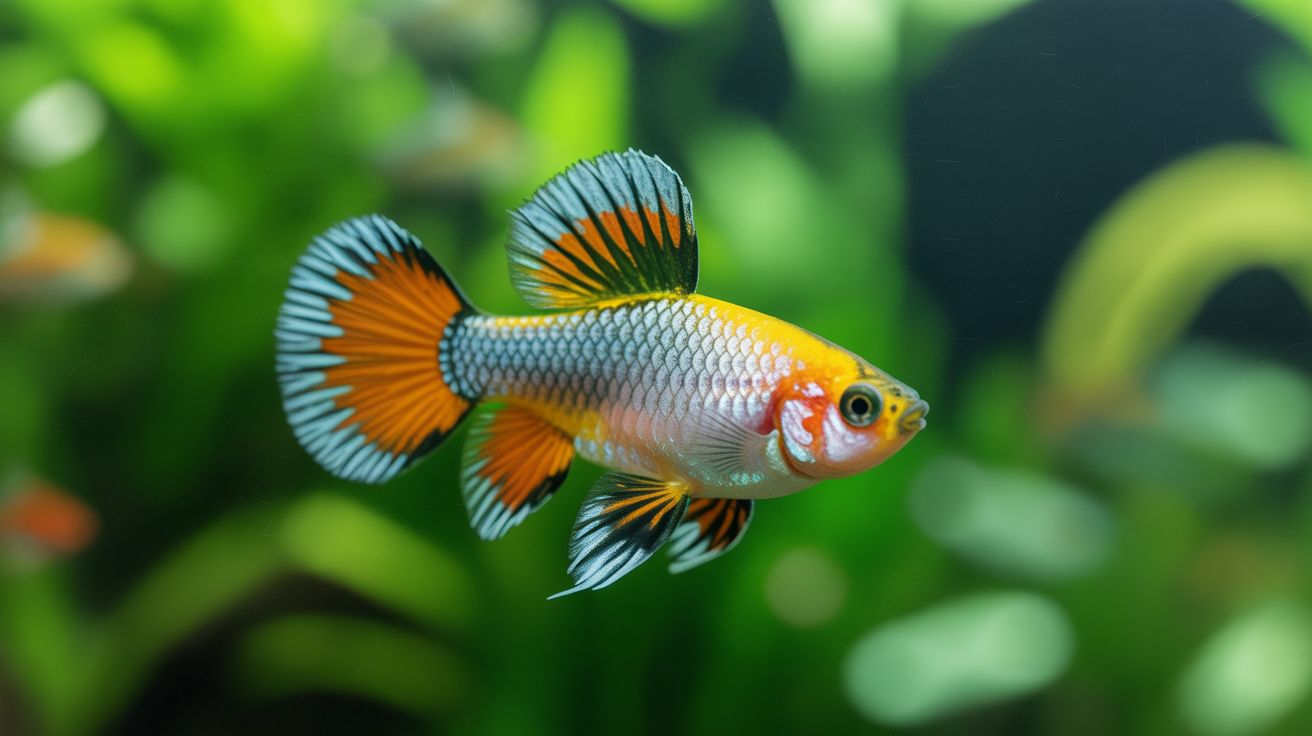
Platys are one of the first fish most aquarists buy, and plenty of experienced hobbyists still keep them decades later. They are small, peaceful, and available in more color varieties than you can reasonably count at a fish store. More practically, they handle a range of water conditions that would stress many other fish, which gives beginners real room to learn without constantly losing fish.
That said, "hardy" does not mean "indestructible." Platys still need a cycled tank, consistent water quality, and enough space to behave normally. This guide covers what they actually need to thrive, not just survive.
Tank Size and Setup
A 10-gallon tank is the bare minimum for a small group of platys, but a 20-gallon long is a much better starting point. Platys are active swimmers that spend time at all levels of the water column, and more water volume means slower swings in temperature, pH, and ammonia. Swings are what stress fish and open the door to disease.
Platys do not have strong opinions about substrate. Sand or fine gravel both work. What they appreciate more is having plants and structure to break up open water. Dense planting along the back and sides gives females places to retreat from overly attentive males (more on that shortly) and provides fry somewhere to hide once they are born. Java fern, hornwort, and water sprite all grow well under the same water conditions platys prefer. Floating plants are especially useful because they create shaded areas and give fry an immediate refuge near the surface.
Filtration should turn over the tank volume roughly four to six times per hour. A hang-on-back filter or a sponge filter both do the job for a platy tank. Sponge filters have the added benefit of being safe for fry since there is no intake to suck them up. Whatever you use, make sure the tank is fully cycled before you add any fish. If you are not sure what cycling involves, the process is covered in depth in our guide to water parameters for beginners.
Water Parameters and Quality
Platys are native to Central American rivers and streams, mostly in Mexico and Guatemala. Those waters tend to be moderately hard and slightly alkaline, which makes platys comfortable in conditions that mirror typical tap water in many parts of North America.
A workable target range looks like this:
- Temperature: 70 to 78 degrees Fahrenheit
- pH: 7.0 to 8.0
- Hardness: 10 to 25 dGH
Platys are more tolerant of harder, higher-pH water than soft acidic water. If your tap comes out slightly alkaline and hard, platys will likely be fine with it as long as you dechlorinate before adding it to the tank. They are considerably less comfortable in the soft, acidic water conditions that Amazonian fish prefer, so mixing them with fish like discus or cardinal tetras that need low pH is not a natural fit.
Weekly water changes of around 25 to 30 percent keep nitrates in check and replenish trace minerals. Platys are not demanding, but they do show stress when nitrates creep past 40 ppm. Consistent maintenance matters more than perfect parameters.
Feeding Platys
Platys are omnivores with a lean toward plant material. In the wild, they graze on algae, plant matter, and small invertebrates. In a home tank, a quality flake food formulated for tropical fish covers most of their nutritional needs. Look for one where a protein source and spirulina or other plant matter appear early in the ingredient list.
Beyond a staple flake, platys benefit from variety. Frozen or live daphnia, brine shrimp, and bloodworms add protein and are useful for conditioning fish you plan to breed. Blanched vegetables such as zucchini, cucumber, or spinach leaves are also accepted by many platys and double as a grazing surface that keeps them occupied.
Feed once or twice a day in amounts the fish can consume within two to three minutes. Leftover food settles into the substrate and breaks down into ammonia, which is the last thing you want in a tank that may also have fry tucked into plant thickets. A good rule is to feed slightly less than you think they need.
Compatible Tankmates
Platys are peaceful community fish. They do not nip fins, they do not harass slow or long-finned fish, and they do not show strong territorial behavior outside of the brief chasing between males competing for females.
Fish that share similar water parameter requirements and a calm temperament pair well with platys. Mollies, swordtails, and guppies are natural companions since they are all livebearers that prefer similar hardness and pH. Corydoras catfish work well on the bottom. Small tetras like rummy-nose or black skirts are compatible if your pH sits in a middle range acceptable to both species.
Avoid fish with a reputation for aggression or fin nipping: tiger barbs in small groups, cichlids (with limited exceptions like peaceful dwarf species), and large semi-aggressive fish that will see platys as a food source. Platys are also not a great match for fish that need very soft, acidic water, because you will end up compromising one species or the other.
If you are still deciding which fish to build your community around, our beginner fish overview covers many species that coexist well with platys.
What to Expect When Platys Breed
Platys breed readily. This is one of the features that makes them appealing, but it also catches new keepers off guard. Platys are livebearers, which means females give birth to free-swimming fry rather than laying eggs. A single female can produce between 20 and 80 fry per pregnancy, and she can store sperm for months, meaning a female bought at a fish store may already be pregnant when she arrives.
The pregnancy is visible once you know what to look for. A gravid spot, a dark patch near the female's vent, darkens and expands as the pregnancy progresses. Her belly becomes noticeably square or boxy in the last week before birth. The entire gestation period runs roughly 24 to 30 days depending on temperature.
Fry are born fully formed and immediately mobile. The main threat to them is being eaten by adults, including their own parents. Dense planting and surface cover help, but if you want to raise more than a handful of survivors, a breeding box or a separate small tank gives fry a better chance. They will eat crushed flake food from their first day and grow quickly.
One practical consideration: if you do not want to end up with more fish than your tank can hold, keeping only males, or only females if you can source them, prevents breeding entirely. Sexing platys is straightforward once you know what to look for. Males have a pointed gonopodium (modified anal fin); females have a fan-shaped anal fin.
Whenever you add new platys to an established tank, follow a proper acclimation process to avoid stressing the fish with sudden parameter shifts. Our fish acclimation guide walks through the steps in detail.
Frequently Asked Questions
How many platys can I keep in a 10-gallon tank?
Three to five platys is a reasonable number for a 10-gallon, with a ratio of one male to two or three females. Males constantly pursue females, and if there are too many males relative to females, the females become stressed and worn down. A heavier lean toward females keeps the group calmer. If you plan to have fry, a 20-gallon gives you far more flexibility.
Do platys need a heater?
Yes, in most homes. Platys prefer water between 70 and 78 degrees Fahrenheit. If your room temperature is consistently on the lower end or fluctuates, a heater keeps conditions stable. Stability matters more than hitting an exact number; a tank that swings from 68 to 76 degrees over a day is harder on fish than one that holds steady at 74.
Why are my platys hiding or staying near the surface?
Hiding can signal stress from a new environment, which usually passes after a few days once the fish settle in. Persistent surface-hugging often points to low dissolved oxygen or poor water quality. Check ammonia, nitrite, and nitrate levels, confirm your filter is running properly, and make sure there is enough surface agitation to oxygenate the water. If the water tests fine and the behavior continues, look closely for signs of disease.
Can I keep platys with bettas?
Bettas have individual personalities, so there is no universal answer. Some bettas tolerate platys without issue; others chase and nip at anything bright and active. Male bettas in particular may see the platy's colors as a trigger. If you want to try the combination, a tank of at least 20 gallons with plenty of cover gives both species somewhere to avoid each other. Watch closely for the first week and be ready to separate them if the betta is persistently aggressive.
My platy looks pregnant but it has been weeks. Should I be concerned?
Gestation normally runs about four weeks at typical aquarium temperatures. Cooler water slows the process. If a female has been visibly gravid for significantly longer and shows no signs of fry, it is worth checking water temperature and quality. Chronic stress can delay or complicate birth. In rare cases, a female may reabsorb a pregnancy if conditions are poor. If she appears lethargic or is not eating, a water change and stability check are the right first steps.