Fish Profiles
Best Beginner Fish for a First Freshwater Aquarium
A practical roundup of hardy, easy-to-keep freshwater fish for new aquarists, with tank size notes, temperament tips, and a few species to avoid at first.
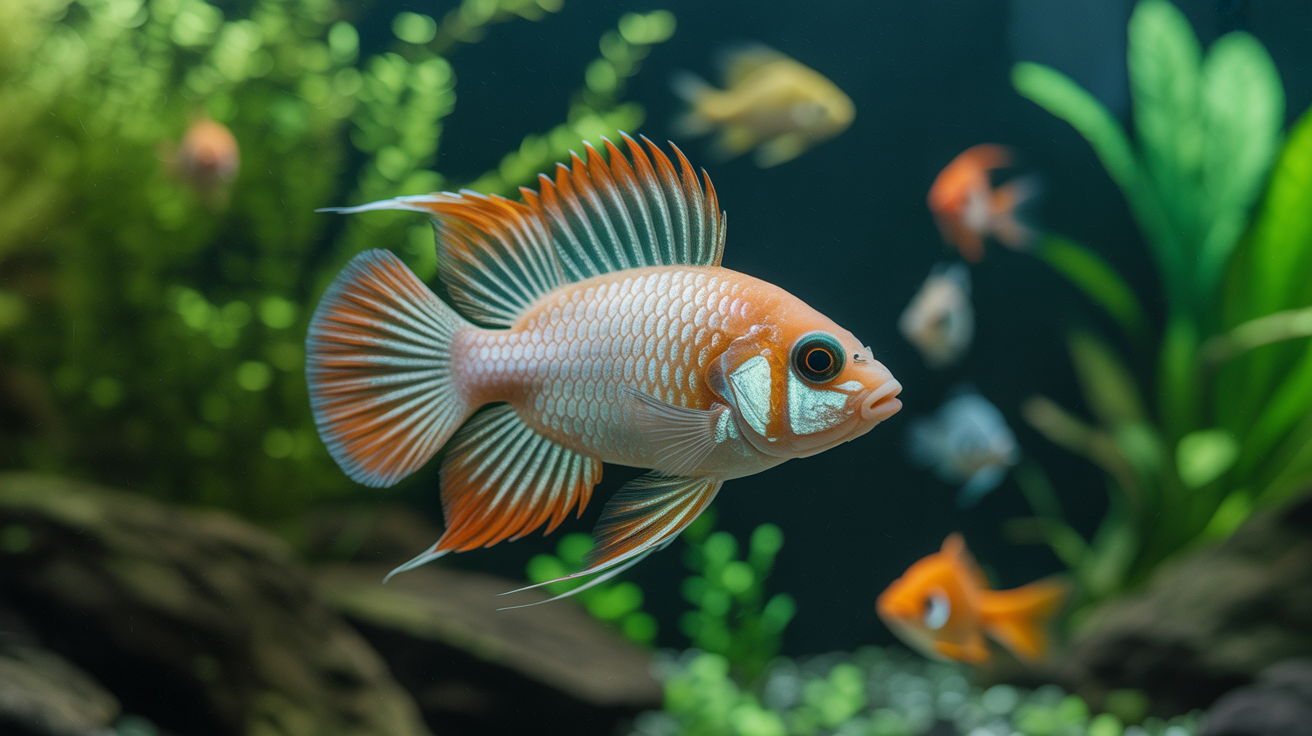
Choosing fish for a first tank is exciting and, honestly, a little overwhelming. Walk into any fish store and there are hundreds of species, many of them labeled "community fish" on a small card that tells you almost nothing useful. The good news is that a handful of freshwater species are so forgiving of minor water chemistry swings, so peaceful with a range of tankmates, and so readily available that they show up on nearly every beginner list for good reason.
This guide covers what makes a fish genuinely beginner-friendly, profiles the best options, and flags a few species that look tempting in the store but are harder than they appear.
What Makes a Fish Good for Beginners
Not every fish sold at a pet store is appropriate for someone setting up their first aquarium. A few qualities separate genuinely good starter fish from ones that will cause frustration.
Tolerance for imperfect water. A cycled tank is step one, but even well-established tanks see occasional spikes. Fish that handle a range of pH, moderate hardness, and brief temperature fluctuations are far more forgiving of the small errors beginners make while learning.
Peaceful temperament. Community tanks are easier to manage when fish can share space without constant aggression. Some fish nip fins, some claim territory obsessively, and some simply eat their tankmates. Peaceful species keep the social dynamic simple.
Availability and hardiness in transit. Fish that are widely captive-bred arrive at stores in better condition than wild-caught rarities. They have also adapted over generations to tap-water parameters that vary by region, which matters a lot in practice.
A sensible adult size. A fish sold at two inches that grows to twelve inches needs a very different tank. Beginners are often working with tanks in the 10- to 30-gallon range, so fish that stay under three or four inches are more practical.
The Best Beginner Fish, Species by Species
Guppies
Guppies are probably the most recommended beginner fish for a reason. Males are colorful and active; females are a bit plainer but often hardier. They tolerate a wide range of water conditions, eat almost any small food, and breed readily, which can be exciting or overwhelming depending on your setup.
A 10-gallon tank works for a small group. Keep more females than males (roughly two or three females per male) to spread out any chasing behavior. Guppies do best at temperatures between 72 and 82 degrees Fahrenheit and prefer neutral to slightly hard water, though they adapt to most municipal supplies without complaint.
For a closer look at setting up a tank around guppies, see our guppy care guide covering setup, diet, and breeding.
Platies
Platies are close relatives of guppies and share many of the same qualities: peaceful, hardy, colorful, and adaptable. They come in a wide range of color morphs. Unlike guppies, platies tend to have a slightly chunkier build and are a bit less active, which some people prefer.
They do well in the same temperature and pH ranges as guppies and can be kept together in a community tank without issue. A group of six in a 10-gallon tank makes a nice display.
Zebra Danios
If you want a fish that seems almost impossible to kill under normal conditions, zebra danios are it. They are fast, active, schooling fish that do best in groups of six or more. They handle temperatures from about 65 to 80 degrees Fahrenheit, which makes them one of the few fish that can be kept in an unheated tank in a warm room.
Their energy can be a lot for very slow, long-finned tankmates (they may nip at flowing fins), but paired with other active fish they are excellent. A 10-gallon tank works, though they appreciate more horizontal swimming space in a 20-gallon long.
Neon Tetras
Neon tetras are one of the most recognizable aquarium fish, with their bright blue stripe and red tail. They are small (reaching about an inch and a half), peaceful, and visually striking in a school. A group of ten in a planted tank is one of the classic beginner setups.
They are sometimes called delicate, and wild-caught specimens can be. But captive-bred neons, which make up nearly all the stock sold today, are reasonably hardy in a stable, cycled tank with soft to moderately hard water. The key is avoiding ammonia spikes during the initial cycling period.
For tankmate ideas and setup specifics, see our neon tetra care and ideal tankmates guide.
Corydoras Catfish
Corydoras are small, bottom-dwelling catfish that spend most of their time sifting through the substrate. They are completely peaceful, work as a cleanup crew for leftover food, and add activity to the lower third of the tank where many fish never venture.
Bronze corydoras and peppered corydoras are the most widely available and among the hardiest. They need a soft substrate (fine sand or smooth gravel) to protect their barbels. Corydoras are social fish and do best in groups of at least four to six. A 20-gallon tank gives a group of six comfortable room.
Temperature should stay between 70 and 78 degrees for most common species. They do not tolerate salt in the water, so avoid it if you keep corydoras.
White Cloud Mountain Minnows
White clouds are underrated. They are small, peaceful, and genuinely cold-water fish, thriving between 60 and 72 degrees Fahrenheit without a heater in most homes. Their fins have delicate red and white coloring that shows well under good lighting.
They work well with other cold-tolerant fish and are a good choice if you want a low-energy setup without worrying about maintaining a specific warm temperature. A group of eight in a 10-gallon tank is a nice starter setup.
A Comparison at a Glance
| Fish | Min. Tank Size | Temp. Range (°F) | School Size | Temperament |
|---|---|---|---|---|
| Guppy | 10 gal | 72-82 | 3+ | Peaceful |
| Platy | 10 gal | 70-80 | 3+ | Peaceful |
| Zebra Danio | 10 gal | 65-80 | 6+ | Active, peaceful |
| Neon Tetra | 10 gal | 70-78 | 8-10+ | Peaceful |
| Corydoras Catfish | 20 gal | 70-78 | 4-6+ | Peaceful, bottom-dweller |
| White Cloud Minnow | 10 gal | 60-72 | 6+ | Peaceful, cold-water |
Fish to Avoid for Now
A few fish look like obvious choices in the store but create problems for beginners.
Betta fish are stunning and popular, but their care involves some nuance around tankmates and water flow. A betta in the wrong community setup will either attack other fish or be attacked. They are not impossible for beginners, but they benefit from some research first. See our betta fish care guide covering tank size, water, and tankmates before deciding.
Goldfish are cold-water fish that produce a lot of waste and grow much larger than most people expect. Common and comet goldfish can reach 10 to 12 inches. The filtration requirements are significant, and they do not belong in a typical 10- or 20-gallon starter tank.
Cichlids (with some exceptions) tend to be territorial and aggressive. Oscar fish, for example, are sold as juveniles at two to three inches but reach 12 to 14 inches and need a tank of at least 55 gallons. Many cichlid species require specific water chemistry and are not compatible with community fish.
Chinese algae eaters are sold as cleanup fish but become aggressive as they mature and will harass tankmates.
The common thread with fish to avoid is that they look manageable in the store but have care requirements that catch new fishkeepers off guard. There is plenty of time to work up to more demanding species once the basics are solid.
Setting Up Your Tank Before Adding Fish
No fish, beginner-friendly or otherwise, will do well in an uncycled tank. The nitrogen cycle establishes the beneficial bacteria that process fish waste, and it takes three to six weeks to complete. Adding fish to a tank that has not cycled leads to ammonia spikes that can kill fish quickly.
Once your tank is cycled, add fish gradually rather than stocking the full tank at once. Start with a small group, wait a few weeks while monitoring water parameters, and then add more. This gives the filter bacteria time to catch up with the increasing bio-load.
Frequently Asked Questions
How many fish can I put in a 10-gallon tank?
The old rule of one inch of fish per gallon is a rough starting point, not a hard limit. A 10-gallon tank can support a group of eight small fish (one inch or under at adult size) like neon tetras or white cloud minnows. For slightly larger fish like platies or guppies, six is a reasonable starting number. Water quality, filtration, and the specific fish matter as much as the raw numbers.
Can I mix all of these beginner fish together?
Most of them work well together in a community tank. The main thing to watch is temperature overlap. White cloud minnows prefer cooler water (down to 60 degrees) while guppies and platies want it warmer (at least 72 degrees). Mixing cold-water and warm-water fish in the same tank usually means compromising on a middle temperature that suits neither group well. Stick to fish with similar temperature ranges for the best results.
Do I need a heater for beginner fish?
Most popular beginner fish, including guppies, platies, neon tetras, and corydoras, need water above 70 degrees Fahrenheit. Unless your home stays consistently warm year-round, a heater is necessary. White cloud mountain minnows and zebra danios can handle cooler temperatures and are better choices if you want to keep a tank without heating it.
How long do beginner fish live?
Guppies and neon tetras typically live two to four years under good care. Corydoras often reach six to ten years, sometimes longer. Fish lifespan is heavily influenced by water quality and diet, so a well-maintained tank consistently produces longer-lived fish than one that suffers from neglect or chronic stress.
What should I feed beginner fish?
A high-quality flake or micro-pellet food covers the nutritional needs of most community fish. Supplement with occasional frozen or freeze-dried foods like bloodworms or daphnia for variety. Feed small amounts once or twice a day, only what the fish can consume in two to three minutes, and remove any uneaten food to keep the water clean.