Fish Profiles
Corydoras Catfish Care: The Friendly Bottom Dweller
Learn corydoras care basics: tank size, water params, diet, tankmates, and group size. A practical guide from a fellow hobbyist.
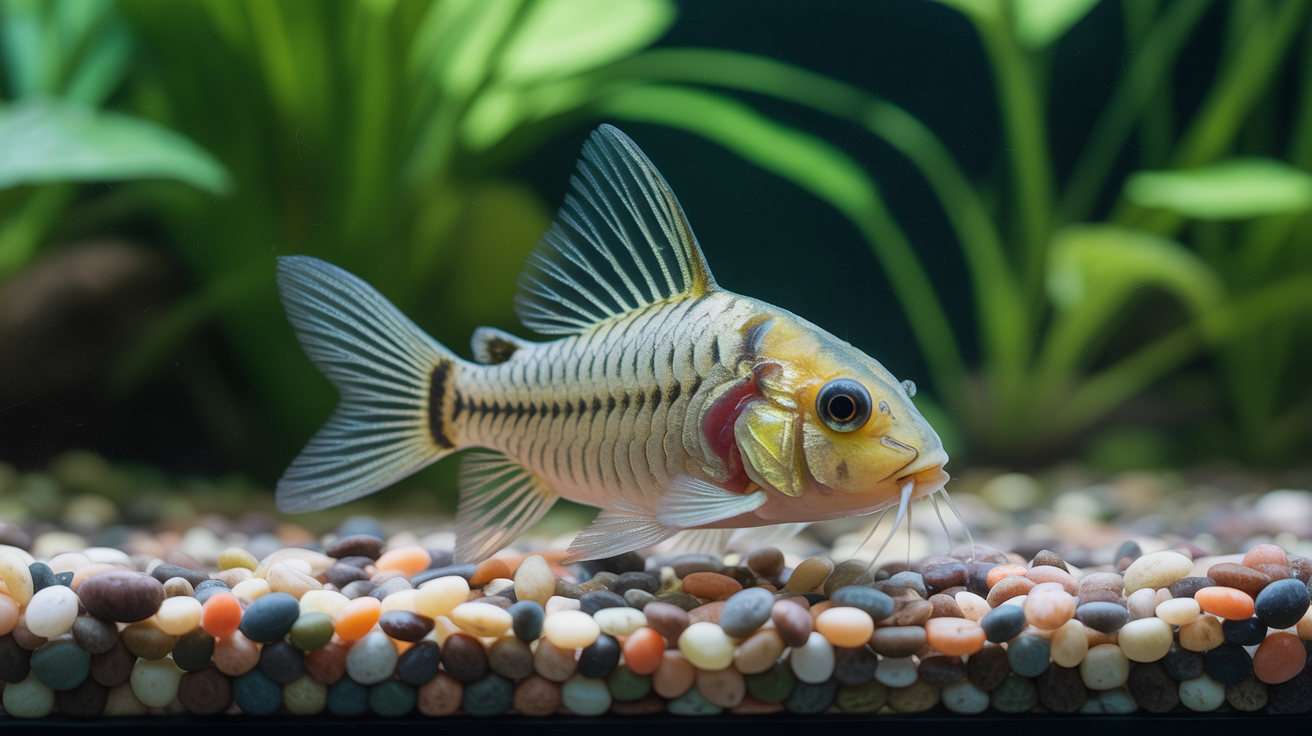
Corydoras catfish are among the most reliably peaceful, hardy fish in the freshwater hobby. They stay near the substrate, mind their own business, and repay basic care with years of personality-packed activity. If you want a clean, social bottom crew, cories are almost always the right answer.
Fast Facts
- Keep cories in groups of at least six of the same species; solitary cories hide and show more stress.
- A 20-gallon long tank is the practical minimum for six standard-size cories (2 to 2.5 inches).
- Use fine sand or smooth rounded gravel only. Coarse, jagged substrate wears down their barbels over months.
- Never add aquarium salt to a cory tank; they absorb it through their skin and it causes real osmotic stress.
- Most species live 5 to 10 years with stable water quality and a varied, protein-rich diet.
Species Overview and What Makes Cories Unique
There are roughly 170 described Corydoras species, and the genus keeps growing as collectors find new ones in South American river systems. Most aquarists start with a handful of common types: C. paleatus (peppered cory), C. aeneus (bronze or albino cory), C. sterbai, and C. panda. Each has slightly different temperature preferences, but their care overlaps enough that the same setup works for all of them.
A few things set cories apart from other catfish. They breathe intestinal air, you will see them dart to the surface, gulp, and return to the bottom. This is normal. They also have a bony armored exterior (scutes, not scales), which means they react badly to salt in the water and are sensitive to sharp substrates that can damage their barbels.
Barbel health is your best daily health check. Healthy cories have long, pointed barbels that reach almost to their chin. Stubby, eroded barbels signal substrate problems, bacterial infection, or both.
Tank Size for Corydoras
A group of six small to medium cories (2–2.5 inches / 5–6 cm) needs at least a 20-gallon long tank (30 inches of floor space). The "long" footprint matters more than water volume because cories live at the bottom and need horizontal territory, not height.
Dwarf species like C. hastatus and C. pygmaeus are genuinely tiny (under 1 inch) and can thrive in a well-planted 10-gallon, but standard-size cories feel crowded in anything smaller than 20 gallons once you add the rest of a community stocking.
For larger groups (10–15 fish), which is closer to natural shoaling behavior, a 40-gallon breeder gives everyone room to spread out. Bigger tanks also buffer water quality swings, cories are tolerant, but they are not bulletproof.
Substrate Choice
Use fine sand or rounded smooth gravel. Pool filter sand (medium grain, neutral) works well and is inexpensive. Coarse, jagged gravel wears down barbels over months, and a cory with barbel rot is miserable and hard to treat. Bare-bottom tanks are fine for quarantine but not ideal for long-term keeping since cories like to dig and forage.
Water Parameters
Corydoras are native to soft, slightly acidic South American rivers, but tank-bred specimens (which is what you will find at most stores) are adapted to a wider range:
| Parameter | Acceptable Range | Ideal Target |
|---|---|---|
| Temperature | 70–78°F (21–26°C) | 72–76°F (22–24°C) |
| pH | 6.0–7.8 | 7.0 |
| Hardness (GH) | 2–20 dGH | 4–12 dGH |
| Ammonia | 0 ppm | 0 ppm |
| Nitrite | 0 ppm | 0 ppm |
| Nitrate | below 20 ppm | below 10 ppm |
C. sterbai prefers warmer water (up to 80°F / 27°C) and is a good choice if you keep a discus or warm-temperature community tank. C. paleatus leans cooler, tolerating down to 68°F (20°C) comfortably.
Weekly water changes of 25–30% keep nitrates in check. Cories are benthic fish, meaning they spend their time right where organic waste settles, so they are the first to show signs of degraded substrate conditions. If your cories are lethargic, clamping fins, or hanging near the surface, check water quality before anything else.
How Many Cories Should You Keep Together
Six is the minimum for a comfortable social group. Cories are shoaling fish, they feel safest in numbers and spend far more time out in the open when they have companions. Solitary cories hide constantly and show stress behavior that shortens their lifespan.
A group of 6–10 of the same species is better than mixing three species at two fish each. Cories do recognize and prefer their own species. They will still associate loosely with other cories, but a same-species group produces the tight, synchronized behavior most hobbyists want to see.
If you want variety, keep multiple groups rather than mixing singletons: six C. aeneus plus six C. sterbai in a 55-gallon is a much livelier arrangement than one of each of twelve species.
Feeding Corydoras
Cories are omnivorous scavengers with a preference for high-protein food. They will eat most things that reach the substrate, but relying on them to "clean up" leftovers is a mistake, they need their own targeted feedings.
Good staples:
- Sinking pellets or wafers (choose ones that soften on contact with water; hard wafers take time to break down)
- Frozen or live bloodworms, daphnia, and brine shrimp, offer these 2–3 times per week for conditioning
- Blanched zucchini or cucumber as occasional vegetable variety
Feed at lights-out or after the tank dims, since cories are more active and bolder when competing tank mates have settled down. Drop food near the substrate, not the surface.
Watch for body weight. A cory with a sunken belly is not eating enough, often because faster midwater fish are intercepting food before it sinks. If you see this, spot-feed with a turkey baster or feeding pipette aimed at the bottom.
Corydoras Tankmates
Cories fit into nearly any peaceful community, which is one reason they are so popular. They mind the bottom, so they do not compete for midwater or surface territory with most fish.
Good tankmates for corydoras:
- Small tetras: neons, cardinals, rummy-noses (check out the neon tetra care and ideal tankmates guide for a compatible community setup)
- Rasboras and danios
- Livebearers at similar temperatures, like the setups covered in our guppy care guide
- Peaceful dwarf cichlids (apistogrammas) in larger tanks
- Gouramis and other labyrinth fish that occupy upper water layers
Tankmates to avoid:
- Aggressive cichlids that will bully or bite
- Fish large enough to eat a cory (anything over 4–5 inches with a predatory mouth shape)
- Tiger barbs in small groups (fin nippers; fine in schools of 8+)
- Bettas, the pairing can work in a spacious tank, but a betta with a territorial streak will harass cories; see the betta fish care guide for context on individual temperament
Avoid adding salt to cory tanks. Many fish health resources suggest adding aquarium salt as a general tonic, but corydoras absorb it through their skin and it can cause real osmotic stress.
Health and Common Problems
Cories are hardy but have two recurring issues hobbyists encounter:
Barbel erosion. Caused by rough substrate, poor water quality, or Aeromonas bacterial infection. The fix is almost always substrate and water quality first. Move to smooth sand, increase water changes, and watch over 2–4 weeks. Severe infection warrants antibiotic treatment, consult an aquatic vet or experienced fish store rather than guessing on medication type.
Red blotch disease. Red patches on the body or abdomen, usually from bacterial infection exacerbated by stress or poor water conditions. Quarantine the fish, improve water quality, and seek professional guidance on treatment before reaching for antibiotics, incorrect antibiotic choice can cause resistance and harm your biological filter.
Cories are sensitive to medications that affect scaleless fish (many anti-parasite treatments list "avoid with catfish" for this reason). Half-dose is a common rule of thumb, but proper guidance from an aquatic vet is always safer than estimating.
Frequently Asked Questions
How many cories can I keep in a 20-gallon tank?
A 20-gallon long comfortably holds a group of 6 standard-size cories (2–2.5 inch species like C. aeneus). You could push to 8 with good filtration and consistent water changes. Dwarf species like C. pygmaeus can be kept in slightly larger groups in the same footprint.
Can corydoras live with betta fish?
Sometimes, yes. A betta with a calm temperament in a 20-gallon or larger tank can coexist peacefully with a cory group. The problem is betta personality varies a lot, some tolerate tank mates, others attack anything that moves. If you try it, have a backup plan and watch for the first 48 hours.
Do corydoras need a heater?
Most species do. The bronze and pepper cory can handle cooler water (down to 68°F / 20°C), but consistent temperatures are more important than hitting a specific number. Fluctuations stress fish more than slightly suboptimal steady temperatures. A heater with a reliable thermostat is worth it.
Why do my cories keep swimming to the surface?
Rapid, repeated trips to the surface to gulp air are normal, corydoras supplement gill breathing with intestinal air breathing. What is not normal is gasping or staying near the surface continuously, which signals low dissolved oxygen or poor water quality. Test your water and check that your filter is creating surface agitation.
How long do corydoras live?
With good care, 5–10 years is realistic for most species. Some hobbyists report C. sterbai and C. paleatus living past 10 years in stable, well-maintained tanks. Lifespan is heavily influenced by water quality and diet consistency, cories kept in poor conditions rarely reach their potential.
Sources and Further Reading
- Corydoras (Wikipedia) covers the genus's native South American range, its body armor and venomous spines, and its status as one of the most heavily exported ornamental fish groups.
- Corydoras aeneus species profile (Seriously Fish) gives detailed tank size, filtration, and hardness recommendations for the bronze cory specifically, useful if you're stocking this species.