Fish Profiles
Cherry Shrimp Care in a Freshwater Tank
A practical guide to keeping Neocaridina shrimp: tank setup, water parameters, feeding, breeding, and choosing safe tankmates.
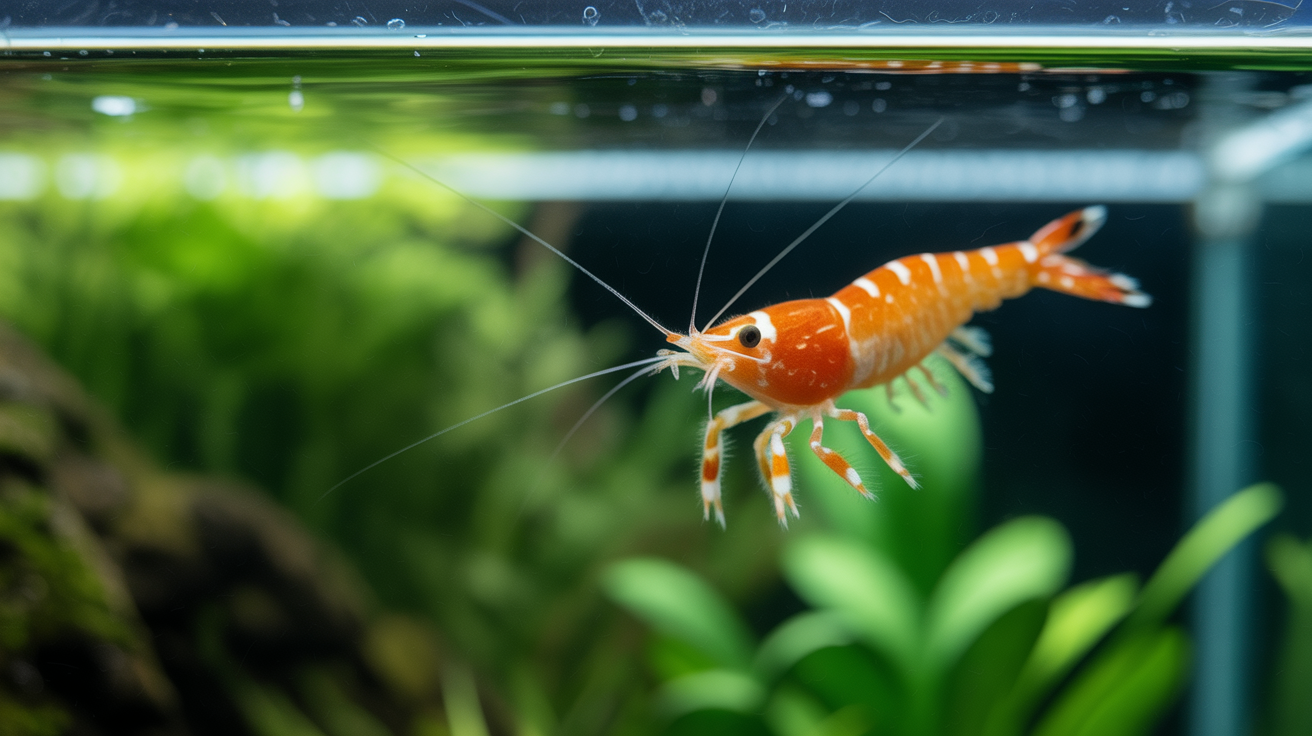
Cherry shrimp are small, busy, and surprisingly easy to keep once you understand what they need. They spend their days grazing across plants, substrate, and hardscape, cleaning up algae and biofilm as they go. A healthy colony adds movement and color to almost any freshwater tank, and they breed readily enough that you will likely end up with more than you started with.
This guide covers everything a beginner needs to know: the right tank setup, stable water parameters, what to feed them, how breeding works, and which fish you can safely share a tank with.
What Are Cherry Shrimp?
Cherry shrimp belong to the species Neocaridina davidi, a dwarf freshwater shrimp native to Taiwan. The name "cherry shrimp" refers to the red selective strains developed in the hobby, but the same species comes in a wide range of colors, including yellow, orange, blue, black, and green. Breeders organize these into informal "grades" based on the depth and consistency of color, with higher grades showing more solid, vivid coloration.
Adults reach about 1 to 1.5 inches (2.5 to 4 cm), with females growing slightly larger and carrying noticeably more color than males. The females also carry eggs under their tails, which is how you will usually tell them apart.
Neocaridina shrimp are a different genus from Crystal Red or Caridina shrimp. Caridina species require softer, more acidic water and are generally considered harder to keep. If you are just starting out, Neocaridina is the right choice.
Setting Up a Shrimp Tank
Cherry shrimp can live in tanks as small as 5 gallons, and a 10-gallon tank gives you plenty of room to establish a colony. Larger volumes are more forgiving because they dilute waste and hold temperature more steadily, but you do not need a big tank to succeed.
Filtration is one area where shrimp tanks require a specific approach. Standard hang-on-back filters and canister filters with powerful intake flow can suck up baby shrimp (called shrimplets), which are tiny when they hatch. The standard fix is to cover the intake with a sponge pre-filter. Alternatively, a dedicated sponge filter works well for smaller tanks and has the added benefit of growing biofilm on its surface, which shrimp will actively graze.
Substrate matters more than it might seem. Dark, fine-grained substrates show off red shrimp well and give shrimplets plenty of places to hide. Inert substrates like black sand or fine gravel are fine for Neocaridina, since these shrimp tolerate a wider pH range than Caridina. Some keepers use active (buffering) substrates, but they are not necessary and will lower pH over time.
Plants and hardscape give shrimp places to hide, graze, and feel secure. Java moss, java fern, anubias, and hornwort all work well. Mosses in particular are popular because they trap fine particles and biofilm that shrimp love to pick through. Driftwood and rocks add structure and often grow biofilm on their surfaces.
Cycling the tank before adding shrimp is not optional. Shrimp are sensitive to ammonia and nitrite, and adding them to an uncycled tank usually ends badly. Run the filter for several weeks, test the water until ammonia and nitrite read zero, and then do a water change before introducing shrimp.
Water Parameters for Neocaridina Shrimp
One of the reasons cherry shrimp suit beginners is that Neocaridina tolerate a reasonable range of water conditions. That said, stability matters more than hitting a precise number. Sudden swings in temperature or pH stress shrimp and can trigger molting problems.
Here is a summary of the target ranges:
| Parameter | Target Range |
|---|---|
| Temperature | 65 to 78°F (18 to 26°C) |
| pH | 6.8 to 7.8 |
| Ammonia | 0 ppm |
| Nitrite | 0 ppm |
| Nitrate | below 20 ppm |
| GH (General Hardness) | 6 to 12 dGH |
| KH (Carbonate Hardness) | 2 to 8 dKH |
| TDS (Total Dissolved Solids) | 150 to 250 ppm |
Tap water in most areas works fine for Neocaridina, provided you treat it with a dechlorinator before use. If your tap water is very soft, adding a small amount of remineralizer helps maintain the mineral levels shrimp need for healthy molting. If your water is very hard, consider blending it with RO or distilled water.
Water changes should be done slowly and with water that matches the tank's temperature and pH as closely as possible. Pouring cold water directly into the tank is a common cause of failed molts and sudden deaths.
Feeding Cherry Shrimp
Cherry shrimp are omnivores that spend most of their time grazing on biofilm, algae, and decomposing plant matter. In a well-established tank with live plants, they often find enough food on their own. Still, supplemental feeding a few times a week helps maintain the colony and gives you a chance to observe them.
Good staple foods include:
- Algae wafers or spirulina wafers broken into small pieces
- Blanched vegetables such as zucchini, spinach, or cucumber (remove leftovers after a day)
- Dedicated shrimp pellets or powder foods, which are widely available and nutritionally complete
- Dried leaves such as Indian almond leaves or catappa bark, which shrimp graze over several weeks and which also release mild tannins that can benefit water chemistry
One common mistake is overfeeding. Leftover food decays and raises ammonia. Offer only what the shrimp can consume in a few hours, and remove anything they ignore.
Calcium is important for healthy molting. Shrimp that struggle to molt, or that shed but then die shortly after (a condition sometimes called "failed molt"), often have insufficient mineral content in the water. Crushed coral added to the filter, cuttlebone, or specialty shrimp mineral supplements can help if your water is soft.
Breeding Cherry Shrimp
Cherry shrimp breed readily in established tanks without any special intervention. Once conditions are stable, females will begin carrying eggs within a few weeks of introduction.
The breeding cycle works like this: a female molts and releases pheromones that send male shrimp into a frenzy of activity, swimming rapidly around the tank in search of her. This is called a "mating run" and is completely normal behavior. After mating, the female carries a clutch of 20 to 30 eggs tucked under her tail. You will see her fanning the eggs regularly to oxygenate them. The eggs hatch in about three to four weeks, depending on temperature.
Shrimplets are fully formed miniature versions of the adults and do not need any special food. They will graze on biofilm like the adults. Their survival depends mainly on having places to hide from any tankmates that might eat them, which leads to the question of which fish are safe to keep with shrimp.
Choosing Safe Tankmates
This is where shrimp keeping requires the most thought. Most fish will eat shrimp if given the chance, including species you might not expect to be predatory. The safest approach is a dedicated shrimp-only tank, but many keepers successfully house shrimp with small, peaceful fish.
Generally safe tankmates include:
- Otocinclus catfish (small algae eaters that largely ignore shrimp)
- Pygmy corydoras or other very small corydoras species
- Ember tetras or similarly tiny rasboras
- Snails (nerite snails and Malaysian trumpet snails are popular companions)
Fish to avoid include anything with a mouth large enough to swallow an adult shrimp, and anything with an aggressive or predatory temperament. Bettas are a frequent cause of shrimp losses. While some hobbyists report success keeping bettas and shrimp together, individual betta personalities vary considerably, and many will hunt and eat shrimp. If you want to explore that combination, betta fish care, tank size, and water and tankmates covers what to watch for.
Guppies are another commonly asked-about pairing. Adult cherry shrimp are usually large enough to escape guppy attention, but shrimplets are small enough to be eaten. If breeding is a priority, a species-only tank is safer. For more on guppy temperament and compatibility, see the guppy care guide on setup, diet, and breeding.
Neon tetras are generally fine with adult shrimp but may pick at very small shrimplets. If your colony is well established and has plenty of moss and cover, shrimplet losses from tetras tend to be minimal. More on keeping neons is in the neon tetra care and ideal tankmates guide.
The general rule is this: the smaller the fish and the less predatory its feeding style, the safer it is with shrimp.
Frequently Asked Questions
How many cherry shrimp should I start with? Starting with 10 to 20 shrimp gives you a reasonable breeding group without overwhelming a new tank. Colonies grow quickly under good conditions, so you will likely see numbers increase within a few months.
My shrimp are hiding constantly. Is something wrong? New shrimp often hide for a week or two while they adjust to a new tank. If they have been in the tank for a while and suddenly disappear, check water parameters first. High ammonia, nitrite, or a sudden pH shift are common triggers. Also check that a filter intake is not trapping them.
What is the white stuff I see on my shrimp? A shed exoskeleton (molt) is white and translucent, and looks almost like a ghost shrimp. Leave it in the tank; the shrimp will often eat it to reclaim the minerals. If you see cottony white growth on a living shrimp rather than a shed skin, that may be a fungal or bacterial infection, which warrants closer observation and possibly a tank cleanup.
Why are my shrimp dying after molting? Failed molts are usually a mineral or stability issue. Check your GH level and make sure it falls within the 6 to 12 dGH range. Very soft water does not provide enough calcium and magnesium for healthy exoskeleton formation. Also avoid doing large or abrupt water changes right before or after a molt.
Can I keep different color variants of Neocaridina together? You can, but they will interbreed freely, and offspring tend to revert toward wild brown or olive coloration over generations. If keeping color lines pure matters to you, house different variants in separate tanks.
The Home Aquarist is an independent resource. Our guides are general guidance, not veterinary advice. For a sick shrimp, a water emergency, or anything involving medication, consult an aquatic veterinarian or an experienced local fish store.