Tank Setup
The Nitrogen Cycle: How to Cycle a New Fish Tank
Learn how to cycle a fish tank the right way. Understand the nitrogen cycle, grow beneficial bacteria, and know exactly when your aquarium is safe for fish.
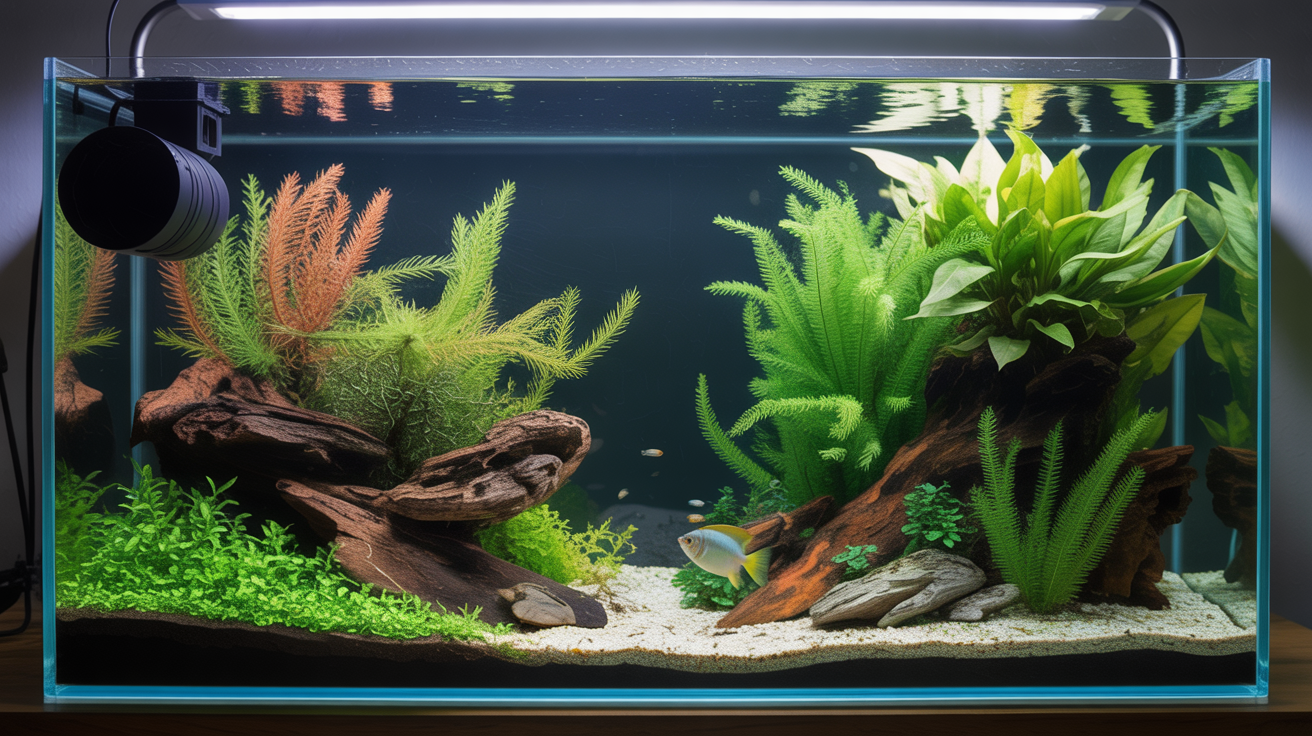
Cycling a new fish tank is the single most important thing you can do before adding any fish. The process establishes colonies of beneficial bacteria that convert toxic ammonia into safer compounds, and it typically takes 4 to 8 weeks. Skip it, and you risk losing fish to ammonia poisoning within days of setting up.
Here is what is actually happening in your tank and how to get through the process successfully.
What the Nitrogen Cycle Actually Does
Fish produce waste. That waste breaks down into ammonia (NH3), which is acutely toxic to fish even at concentrations above 0.25 ppm. Left unchecked, ammonia in a closed tank will reach lethal levels fast.
The nitrogen cycle solves this through two groups of bacteria that colonize your filter media, gravel, and decorations over time:
- Nitrosomonas (and related genera) convert ammonia into nitrite (NO2). Nitrite is also toxic, harmful at levels above 0.5 ppm.
- Nitrospira (and related genera) convert nitrite into nitrate (NO3). Nitrate is far less toxic and only becomes a problem above 20-40 ppm in most freshwater species.
You remove nitrate through regular partial water changes (typically 25-30% weekly). That is the full cycle: ammonia → nitrite → nitrate → diluted by water changes.
A tank is considered "cycled" when you can add a dose of ammonia and see it drop to 0 ppm within 24 hours, with nitrite also at 0 ppm. Nitrate will be present, which confirms the bacteria are working.
What You Need Before You Start
Before you begin, make sure you have a properly set up aquarium with a running filter. The filter is where most of your bacteria will live, so it must be running from day one.
You also need a liquid test kit that measures all four parameters: ammonia, nitrite, nitrate, and pH. Strip tests are not reliable enough for cycling, where you are watching small changes closely.
Other supplies:
| Item | Purpose |
|---|---|
| Pure ammonia (no surfactants/fragrances) | Feeds bacteria during fishless cycling |
| Dechlorinator (sodium thiosulfate or similar) | Makes tap water safe |
| Notebook or app | Track daily test results |
| Patience | Non-negotiable |
Chlorine and chloramine in tap water kill bacteria, so always dechlorinate before adding water during the cycle. Use your dechlorinator at the recommended dose every time you top off or do a water change.
Fishless Cycling: The Recommended Method
Fishless cycling lets you grow your bacterial colony without exposing any fish to toxic spikes. You dose ammonia to simulate fish waste, and let the bacteria build up over 4 to 8 weeks. If you want a direct comparison of your options, fishless vs. fish-in cycling covers both in detail.
How to Dose Ammonia
Use pure ammonia (check the label: it should list only ammonium hydroxide and water, nothing else). Shake the bottle. If it foams, it contains surfactants and will destroy your cycle.
Target 2-4 ppm ammonia on day one. Use an online ammonia calculator for your tank volume, or add a few drops at a time and test. For most tanks:
- 10 gallons (38 liters): roughly 8-10 drops per 2 ppm
- 20 gallons (76 liters): roughly 15-20 drops per 2 ppm
- 40 gallons (151 liters): roughly 30-40 drops per 2 ppm
Test daily. Re-dose ammonia when it drops below 1 ppm. Record every result.
Reading the Stages
Week 1-2: Ammonia climbs or stays elevated. No nitrite yet. Nothing visible is happening, but bacteria are beginning to colonize surfaces. Keep dosing.
Week 2-3: Nitrite appears. This is a good sign. Nitrosomonas are working. Ammonia may begin dropping faster. Nitrite will spike high (sometimes above 5 ppm on test kits), which is normal.
Week 3-6: Nitrite starts dropping as Nitrospira establish. Nitrate rises. Ammonia clears within 24 hours of dosing.
Cycled: Ammonia doses to 2 ppm → drops to 0 within 24 hours. Nitrite also 0. Nitrate elevated (that is correct). Do a 50% water change before adding fish to knock nitrate down to 20 ppm or below.
Speeding Up the Cycle
A full fishless cycle takes 4 to 8 weeks under normal conditions, but a few things can shorten that considerably.
Seeded media: Borrow filter floss, a sponge, or even a handful of gravel from an established, healthy tank. The existing bacteria colonize your new tank immediately. In some cases, a heavily seeded tank can cycle in 1 to 2 weeks instead of 6.
Bottled bacteria: Commercial nitrifying bacteria products (look for ones refrigerated at the store) can cut startup time. They do not always eliminate the cycle entirely, but they give you a head start. Add them on day one.
Warmer water: Nitrifying bacteria are most active between 77-86°F (25-30°C). If your tank runs cooler than 70°F (21°C), the cycle slows noticeably. A temporary bump in temperature can help.
Surface area: More filter media and substrate means more real estate for bacteria. Sponge filters and canister filters with biological media outperform simple hang-on-backs for this reason.
What does NOT help: adding fish food and letting it rot. This produces ammonia, but it also fouls the tank and introduces variables that make testing messier. Pure ammonia is cleaner and more controllable.
A Note on Water Changes During Fishless Cycling
Resist the urge to do large water changes while cycling, unless ammonia climbs above 8 ppm. Beneficial bacteria attach to surfaces, not the water column, so partial water changes do not set you back. But they also do not speed things up. The main reason to change water mid-cycle is to prevent pH crashes from accumulated nitric acid, which can stall the whole process. Check pH weekly. If it drops below 6.5, a 20-30% water change will help stabilize it.
Monitoring and Troubleshooting
Test every day during the first three weeks, then every other day once nitrite has peaked and is falling. If you stop dosing ammonia for several days, the bacteria will begin to starve and the colony can crash.
Stalled at high ammonia with no nitrite after 3 weeks: Check your pH. Nitrification slows sharply below pH 6.5. If your tap water is very soft and acidic, consider using crushed coral or a small piece of cuttlebone to buffer it toward 7.0-7.5. Also check that your filter is actually running and water is flowing through the media.
Nitrite stuck high for weeks: This is the most common complaint. It is usually a waiting game. Nitrospira establish more slowly than Nitrosomonas. Keep dosing ammonia at 2 ppm, confirm water temperature is in range, and give it another week. If it is still stuck after week 6, try adding a handful of substrate or filter media from an established tank.
Ammonia and nitrite both read 0 but no nitrate: Either your test kit is expired or you have not been dosing enough ammonia to build the colony. Get a fresh test kit and re-dose.
Cycle crashed after adding fish: If ammonia spikes after stocking, the bacterial colony could not keep up with the sudden waste load. Do an immediate 30-50% water change, reduce feeding to once every other day (or skip a day entirely), and hold off on adding more fish for at least two weeks. Test daily until readings stabilize at 0/0.
Tank Size and Cycling Behavior
Smaller tanks often cycle faster in absolute days, but they are also less forgiving. A 5-gallon (19-liter) tank has much less water volume to dilute any imbalances, so a small miscalculation in ammonia dosing can push levels sky-high. If you are still deciding what size to start with, choosing your first aquarium size has a practical breakdown.
Larger tanks (40 gallons / 151 liters and above) have more stable water chemistry during the cycle and are generally more forgiving. They also give you more flexibility on stocking once the cycle is complete.
When the Cycle Is Done: Adding Fish
Once you have confirmed two consecutive days of ammonia reading 0 ppm and nitrite reading 0 ppm (after a 2 ppm dose), do a large water change (50%) to drop nitrate, then add fish slowly.
Do not stock the full tank at once. Add a few fish at a time, spaced 1 to 2 weeks apart. Each new fish increases the ammonia load, and the bacterial colony needs time to grow in response. An overdose of new fish at once can crash the cycle even in a mature tank.
For the first month after adding fish, test ammonia and nitrite weekly. If either reads above 0.25 ppm, do an immediate 25-30% water change and hold off on adding more fish until levels stabilize.
Keep your filter running at all times. The bacteria in your filter media need oxygenated water flowing through them constantly. If your power goes out for more than a few hours, the colony can begin to die off. After an extended outage, test ammonia and nitrite for a few days before assuming everything is fine. Similarly, avoid cleaning all your filter media at once. When maintenance is needed, rinse one piece of media in old tank water (not tap water) and leave the rest untouched. This preserves most of the bacterial colony.
Frequently Asked Questions
How long does it take to cycle a fish tank?
Most tanks cycle in 4 to 8 weeks with the fishless method. Using seeded media from an established tank can cut that to 1 to 2 weeks. Temperature, pH, and ammonia dosing consistency all affect timing.
Can I cycle a tank with fish already in it?
Yes, but it requires careful management. You will need to do daily or every-other-day water changes to keep ammonia below 0.5 ppm and nitrite below 0.25 ppm during the cycle. It is stressful for fish and requires more work from you. Fishless cycling is easier on everyone.
Do I need to add bacteria to start a cycle?
No, beneficial bacteria are present in your tap water, the air, and on any surfaces you put in the tank. They will colonize naturally. Seeded media or commercial bacteria products speed things up but are not required.
My ammonia won't drop. What's wrong?
The most common causes are: water temperature below 70°F (21°C) slowing bacterial growth; pH below 6.5 inhibiting nitrification; chlorine in the water if you forgot to dechlorinate; or simply not enough time. Check all three, correct what applies, and give it another week before worrying.
What should nitrate levels be when I add fish?
Aim for below 20 ppm when you first add fish. Some hardy species tolerate up to 40 ppm, but starting lower gives you more buffer. Weekly water changes of 25-30% will keep nitrate in a safe range as you go.