Maintenance & Gear
How to Feed Aquarium Fish Without Overfeeding
Learn how often to feed aquarium fish, how much food is enough, and the signs of overfeeding that quietly wreck water quality in freshwater tanks.
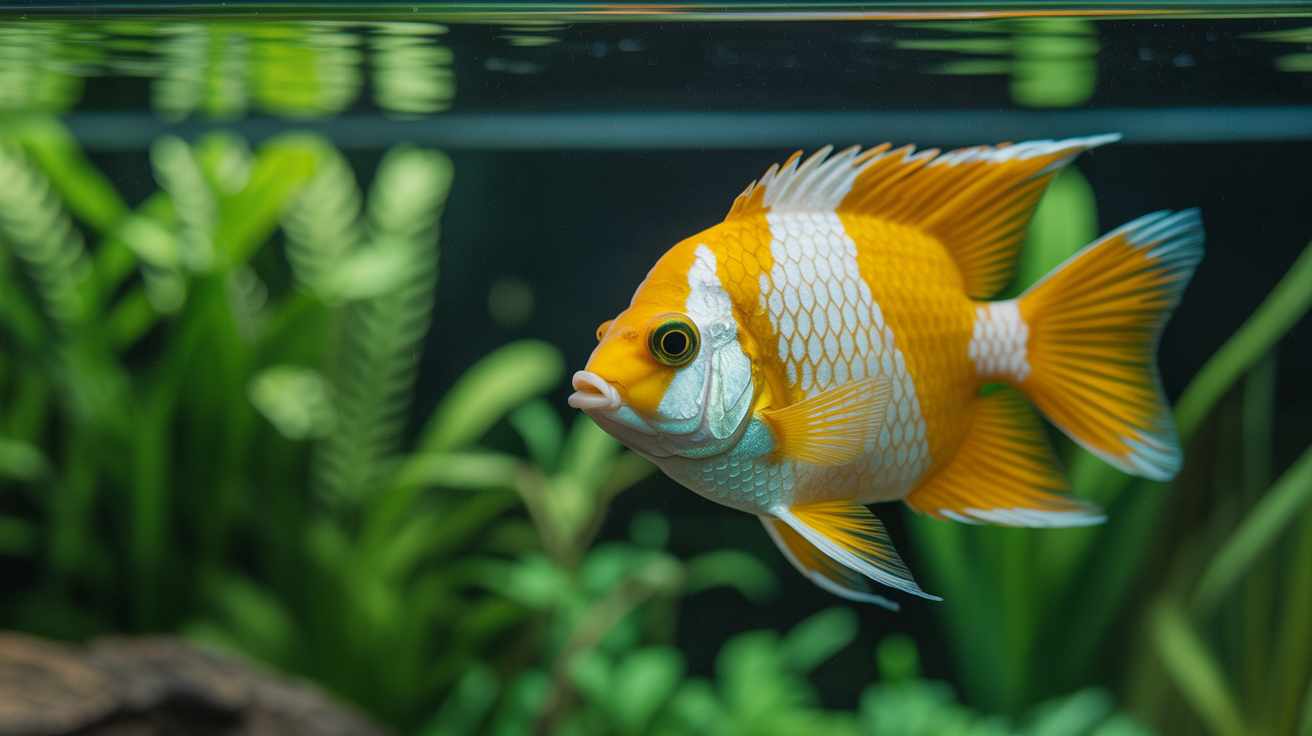
Overfeeding is one of the most common mistakes in freshwater fishkeeping, and it does not look dramatic. There is no single moment where everything goes wrong. Instead, the water slowly degrades, algae blooms creep up the glass, and fish start acting sluggish or get sick. The root cause, more often than not, is too much food going in.
Getting feeding right is not complicated once you understand what fish actually need and what happens to the food that does not get eaten.
How Often Should You Feed Aquarium Fish
For most community freshwater fish, once or twice a day is the right frequency. Two smaller feedings tend to work better than one large one because fish metabolize food more efficiently in smaller portions, and less uneaten food sits on the substrate.
There are some exceptions worth knowing:
- Carnivores and predatory fish (oscars, large cichlids, puffers) do well with one feeding per day, or even every other day for adults. In the wild, they do not eat constantly.
- Fry and juvenile fish need more frequent meals, sometimes three to four times a day in tiny amounts, to support rapid growth.
- Herbivores and grazers (plecos, Otocinclus, some loaches) graze throughout the day and should have access to algae wafers or blanched vegetables rather than timed pellet feedings alone.
- Sick fish may need reduced feeding or a short fast while you treat the tank.
If you are keeping a mixed community, feed around the needs of your most active mid-water swimmers and supplement for bottom dwellers separately with sinking wafers dropped after lights out.
How Much to Feed: The 2 to 3 Minute Rule
The standard guideline is to feed only as much as your fish will consume within two to three minutes. After that window, remove any food still floating or sitting on the substrate with a small net or turkey baster.
This rule works well for flake and pellet foods. A practical starting point is a pinch that, when dropped in, covers roughly the surface area of your fingernail. Watch your fish eat and adjust from there. If food is still drifting to the bottom uneaten after two minutes, you gave too much. If fish are still actively searching and food is gone in under thirty seconds, you can add a little more.
Some foods complicate the rule:
- Freeze-dried foods expand significantly in water and can be deceiving. Soak them briefly in tank water before feeding to get a more accurate sense of volume.
- Live or frozen foods (bloodworms, brine shrimp, daphnia) are eaten quickly and enthusiastically. Fish will often overeat given the chance, so keep portions modest even when they seem eager.
- Sinking wafers for bottom feeders sit on the substrate and are harder to monitor. Drop in one or two wafers and check the next morning. If there are leftovers, use fewer next time.
The Water Quality Connection
Uneaten food does not just disappear. It breaks down through a process that produces ammonia, which is toxic to fish. From there, the nitrogen cycle converts ammonia to nitrite (also toxic) and then to nitrate, which builds up over time and requires water changes to control.
When you overfeed regularly, this process gets overwhelmed. The bacterial colony that processes ammonia can only handle so much load. Excess food also feeds algae directly, providing phosphates and nitrates that cause blooms on the glass and decorations.
If your tank is struggling with persistent algae, cloudy water, or fish that seem off, the feeding routine is worth reviewing before anything else. Cutting back on food often solves problems that look like equipment or chemistry issues.
A consistent weekly maintenance routine is your best tool for catching and correcting these issues early. And when algae does build up despite good feeding habits, knowing how to clean aquarium glass and remove algae keeps the tank looking clear while you get the root cause sorted.
Signs You Are Overfeeding
Overfeeding tends to leave a trail of clues before fish health becomes an issue:
- Food on the substrate at the end of the day. If you see uneaten flakes or pellets during your lights-off check, the portions are too large.
- Cloudy or milky water. A bacterial bloom from decomposing food can turn the water hazy. This usually clears on its own with a water change and reduced feeding.
- Algae growing faster than usual. A sudden increase in algae growth, especially brown diatoms or green spot algae, often correlates with excess nutrients from overfeeding. More detail on getting rid of algae in a freshwater tank can help if you are already dealing with an outbreak.
- Film on the water surface. A protein film or oily sheen can develop when there is too much organic matter in the water.
- Fish acting lethargic or gasping at the surface. These are more serious signs. Decomposing food can deplete dissolved oxygen and raise ammonia quickly in a heavily stocked tank.
Fasting Days and Why They Help
Many experienced fishkeepers fast their tanks one day per week. This is not cruelty; it is closer to how fish eat in the wild, where food is not reliably available every day.
A weekly fast gives the biological filter a chance to catch up, allows fish to clear their digestive systems, and can slightly reduce overall nutrient load in the water. It is particularly useful if you know you have been feeding generously or if the tank is densely stocked.
Most healthy adult fish handle a one-day fast without any stress. Fry, juveniles, and very small fish like microrasboras are the exception. For those, skip the fast day or keep it to fish that are clearly past the juvenile stage.
A simple way to remember: pick one consistent day, such as Sunday, and mark it as a no-feed day. Over time it becomes habit.
Building a Feeding Schedule That Works
A basic feeding schedule for a community freshwater tank might look like this:
| Day | Morning | Evening |
|---|---|---|
| Monday | Small pinch flake | Sinking wafer for bottom fish |
| Tuesday | Small pinch flake | Small pinch flake |
| Wednesday | Frozen bloodworm (small portion) | Sinking wafer |
| Thursday | Small pinch flake | Small pinch flake |
| Friday | Small pinch flake | Sinking wafer |
| Saturday | Frozen or freeze-dried treat | Small pinch flake |
| Sunday | Fast day | Fast day |
Adjust this to your specific fish. Cichlid tanks, planted tanks with shrimp, and species-only tanks all have their own rhythms. The core principle stays the same: small amounts, observe what gets eaten, and leave one day clear.
Frequently Asked Questions
Can overfeeding kill fish?
Yes, though rarely directly. The bigger risk is water quality deterioration from decomposing food. Elevated ammonia and nitrite are genuinely toxic and can stress or kill fish, particularly in smaller tanks where the margin for error is narrower.
My fish always seem hungry. How do I know when they have had enough?
Fish have a very strong feeding response and will often continue to beg at the glass long after they have eaten enough. A fish looking for food does not mean a fish that is starving. If they consumed their portion within two to three minutes and the water looks clear, they are fine.
How long can fish go without food?
Most healthy adult freshwater fish can go one to two weeks without food, though this varies by species. This is useful to know when you are away on vacation. For trips under a week, most community fish do better with no feeding than with a large dump of food before you leave.
Does the type of food affect overfeeding risk?
Yes. Dry flakes and pellets expand in water and in the fish's stomach, so it is easy to give more than it looks like. Gel foods and frozen foods are closer to natural density. Live foods like worms are digested efficiently but still add waste load to the tank. No matter the food type, the principle of feeding only what gets eaten quickly applies.
Should I feed differently when I add new fish?
For the first day or two, skip feeding or feed very lightly. New fish are stressed from the move and unlikely to eat normally. Uneaten food during the adjustment period just pollutes the water at a time when the fish can least afford additional stress.