Maintenance & Gear
How to Clean an Aquarium Filter Without Killing the Cycle
Learn how to clean your aquarium filter safely, rinse media in tank water, and avoid crashing your nitrogen cycle. Step-by-step guide for freshwater tanks.
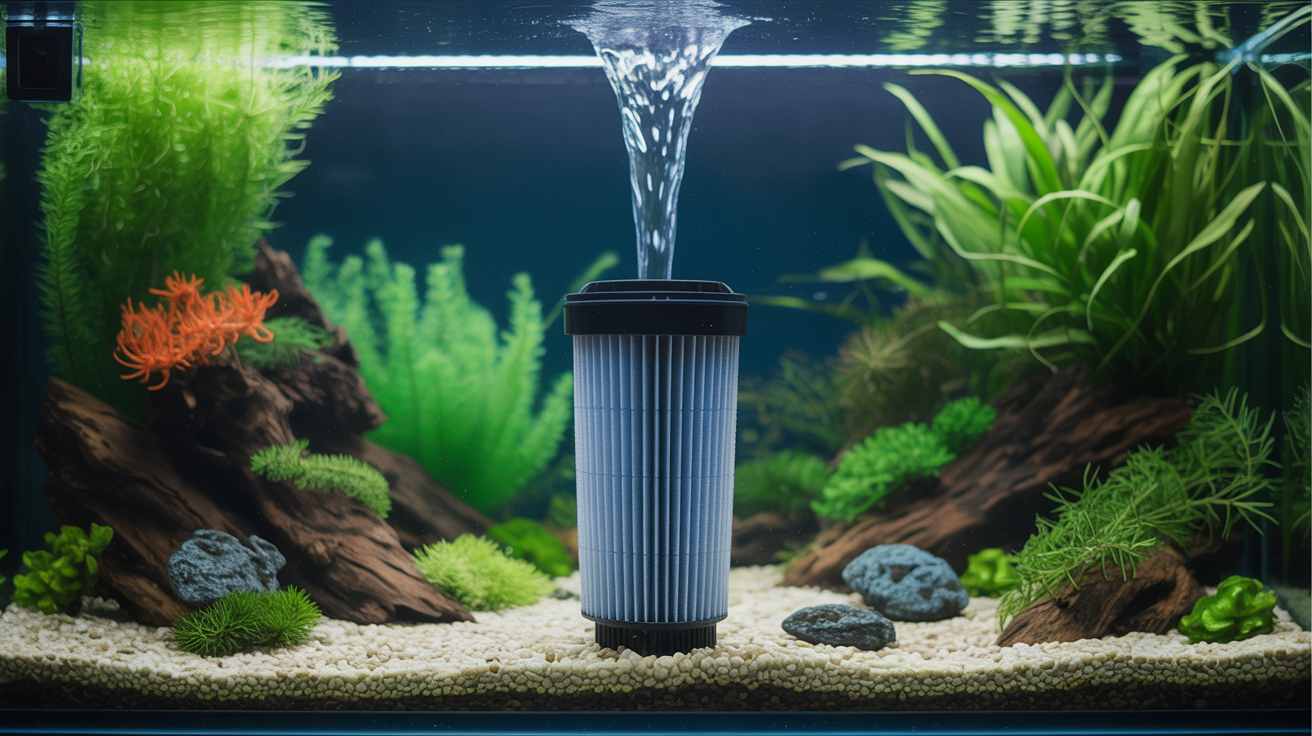
Cleaning your aquarium filter is necessary, but doing it the wrong way can wipe out the beneficial bacteria that process fish waste. The good news: safe filter cleaning is straightforward once you understand what you're protecting and why.
The core rule is this, never rinse filter media under tap water. Chlorine and chloramines kill the bacterial colonies living in your sponge, bio-rings, or ceramic noodles almost instantly. Keep everything in contact with tank water only, and your cycle stays intact.
Fast Facts
- Rinse media only in water siphoned from the tank during a water change, never under the tap.
- Clean mechanical media (sponges, floss) every 2 to 4 weeks; biological media (ceramic rings, bio-balls) needs attention only every 1 to 3 months.
- Replace media in stages, never all at once, so the established bacteria seed new pieces quickly.
- Keep a large water change and a thorough filter clean on separate days when possible; combining both stresses the cycle more than either alone.
- Test ammonia and nitrite 24 hours after cleaning; a small nitrite bump under 0.25 ppm that clears within a day is normal.
Why Your Filter Media Harbors the Nitrogen Cycle
Beneficial bacteria, mainly Nitrosomonas and Nitrospira species, colonize the porous surfaces inside your filter. They convert toxic ammonia (from fish waste and uneaten food) first into nitrite, then into the far less dangerous nitrate. Without them, ammonia spikes within 24 to 48 hours and fish can die in days.
These bacteria live on the surface area of your media, not just floating in the water column. That means sponges, ceramic rings, bio-balls, and lava rock are far more important to your cycle than the filter housing itself. Treat them accordingly.
A heavily clogged filter does restrict flow, which starves bacteria of oxygen over time, so cleaning is necessary. The goal is to remove the gunk while leaving the biofilm.
What You Need Before You Start
- A clean bucket used only for aquarium work (no soap residue, ever)
- A spare container or the bucket filled with tank water siphoned from the tank
- Soft brushes or sponge-safe scrubbers
- Your old water change water (the water you just removed during a routine siphon is perfect)
If you follow a simple weekly aquarium maintenance routine, cleaning the filter during a water change is natural: you already have a bucket of tank water at hand.
How to Clean the Filter Media Safely
Step 1: Pull the Media Out Over a Bucket of Tank Water
Lift the filter media out and place it into the bucket of tank water you just siphoned. Don't let it sit exposed to air for more than a minute or two.
Step 2: Squeeze or Swish, Don't Scrub Hard
For foam sponges, squeeze gently 4 to 6 times directly in the bucket. The water will turn brown-gray. That's waste material releasing, and the bacteria staying put.
For ceramic rings or bio-balls, swish them in the water and rub them lightly together. You want to dislodge loose sludge, not strip the surface.
For mechanical pads (fine poly-fil or floss), these are meant to be disposable. Rinse once if they're not falling apart; replace otherwise. See below for timing.
Step 3: Clean the Housing
Use a soft brush to scrub the filter housing, impeller, and intake tube in tank water. The impeller can be rinsed under a gentle tap if it's purely mechanical with no media attached, but dry it briefly before reassembling so tap water doesn't carry chlorine into the tank.
Step 4: Reassemble and Return
Put the media back, refill the tank with your dechlorinated top-off water, and restart the filter. Flow should return to normal within a few minutes. If the impeller makes noise, it may need reseating.
When to Replace Filter Media (Not Just Clean It)
This is where hobbyists often make the mistake of doing too much at once.
| Media Type | Clean Frequency | Replace When |
|---|---|---|
| Coarse sponge | Every 2-4 weeks | Falling apart or won't hold shape |
| Fine mechanical pad | Every 1-2 weeks | Clogged even after rinsing, or 3-4 months old |
| Ceramic rings / bio-media | Every 4-8 weeks | Crumbling, rare, can last years |
| Activated carbon | Never clean, only replace | 2-4 weeks after first use (exhausted) |
| Bio-balls | Every 6-12 weeks | Almost never; replace if cracked |
The most common mistake: replacing all media at once when the filter looks dirty. If you toss a whole sponge and replace it with a new one on the same day, you've reset large chunks of your nitrogen cycle. You may see an ammonia or nitrite spike within 2 to 5 days.
Replace media in stages. If your filter has two sponges, replace one this month and the other 4 to 6 weeks later. The established media seeds the new piece quickly.
Avoid These Common Mistakes
Tap water rinsing. Already covered, but worth repeating: even a "quick rinse" under the tap can halve your bacterial population. Use tank water.
Over-cleaning too often. A filter sponge that looks a bit brown is working fine. Cleaning every week strips biofilm before it can fully re-establish. Every 3 to 4 weeks is the right rhythm for most tanks.
Cleaning filter and doing a large water change the same day. A 30% or larger water change removes a portion of free-floating bacteria and dilutes trace minerals. Combining that with a thorough filter clean stresses the cycle more than either would alone. If you must do both, keep the water change under 20% on cleaning days.
Switching filter brands or media types without seeding. If you upgrade to a new filter entirely, run both the old and new filter in the tank simultaneously for 4 to 6 weeks so bacteria can colonize the new media from the established one.
For a broader look at keeping your glass and surfaces clean without disturbing the tank, see the guide on how to clean aquarium glass and remove algae.
After Cleaning: What to Watch
Test your water 24 hours after a filter clean. You're looking for ammonia at 0 ppm, nitrite at 0 ppm, and nitrate below 20 ppm for most community tanks. A small, temporary nitrite bump of below 0.25 ppm sometimes appears in heavily stocked tanks and clears within a day.
If ammonia climbs above 0.5 ppm and holds there 48 hours after cleaning, your cycle took a hit. Feed lightly (or skip one feeding), reduce stocking temporarily if possible, and test daily until parameters stabilize. Avoid doing anything else disruptive (new fish, large water changes) during recovery.
If nitrite spikes above 1 ppm and won't drop, that's a more serious partial cycle crash. A good local fish store can help you assess whether you need to add a bacterial supplement or take more aggressive steps.
Algae is often tied to nutrient buildup from the same waste your filter processes. If you're dealing with persistent growth, the guide on how to get rid of algae in a freshwater tank covers the root causes.
Frequently Asked Questions
Can I clean my aquarium filter with soap or bleach?
No. Even a trace of soap or bleach residue is enough to kill the beneficial bacteria on your media and can harm or kill your fish directly. Tank water only, always. If a piece of equipment needs sanitizing (after a disease outbreak, for example), use a dilute bleach solution of about 1 part bleach to 19 parts water, then rinse very thoroughly and treat with dechlorinator before returning to the tank.
How do I know when my filter actually needs cleaning?
Watch the flow rate. When output noticeably drops and you can see debris has built up, it's time. For most tanks, that's every 3 to 4 weeks for mechanical media. Some low-stocked tanks with sparse feeding can go 6 weeks without any issue.
My tank got cloudy right after I cleaned the filter. What happened?
Mild cloudiness (slightly white or hazy water) within a few hours of a filter clean is usually a bacterial bloom, free-floating bacteria reorganizing after a disturbance. It typically clears within 24 to 48 hours. If it's green (algae bloom) or lasts longer, something else is going on. Test your water and look at your lighting schedule.
Should I turn the filter off before cleaning?
Yes. Turn off the filter before removing any media. This prevents the impeller from running dry, which can crack it, and it makes removing sponges and housing components safer. Most canister filters also need flow stopped before you open them.
Can I clean the biological media and mechanical media at the same time?
You can, as long as you're just swishing in tank water (not scrubbing hard). The risk increases when you pair this with replacing media on the same day. If you clean both sponge layers and the ceramic rings in one session, do it gently, don't replace anything, and monitor water parameters closely for the following 72 hours.
Additional Reading
- Nitrosomonas (Wikipedia) explains how ammonia-oxidizing bacteria colonize surfaces like filter media rather than the open water column, which is why gentle swishing preserves them and scrubbing doesn't.
- Ammonia in Aquatic Systems (University of Florida IFAS Extension) is a useful extension reference for why a disrupted biofilter causes the ammonia spikes described above after an overly aggressive filter clean.