Tank Setup
Choosing Aquarium Substrate: Gravel, Sand, or Aquasoil
Compare gravel, sand, and aquasoil to pick the best aquarium substrate for your fish, plants, and budget. Practical depths, weights, and setup tips inside.
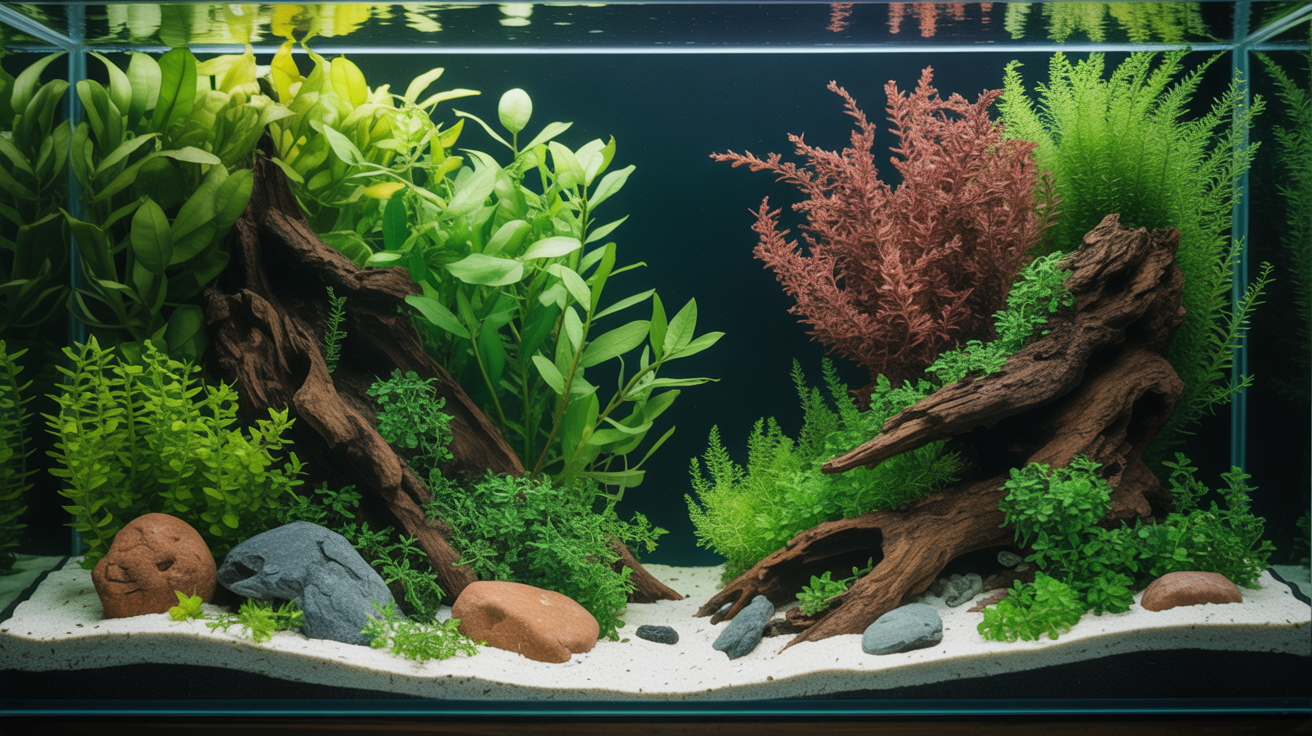
The substrate on the bottom of your tank is more than decoration. It shapes water chemistry, supports beneficial bacteria, and determines which plants and fish will actually thrive. For most freshwater setups, the choice comes down to three materials: gravel, sand, or aquasoil, and picking the right one upfront saves a lot of re-scaping later.
What Substrate Actually Does
Substrate isn't inert. Even plain gravel hosts a meaningful population of nitrifying bacteria that help process ammonia as part of the nitrogen cycle. Finer materials like sand provide a soft surface for bottom-dwelling fish that dig or sift. Nutrient-rich substrates like aquasoil directly feed plant roots, changing how quickly a planted tank establishes.
Beyond biology, substrate affects:
- pH and hardness, some substrates (crushed coral, aragonite) raise pH and GH; inert options don't
- Aesthetics, lighter substrates brighten a tank; darker ones reduce fish stress and make colors pop
- Maintenance, coarser materials trap debris between particles; sand packs tightly and debris sits on top
- Cost, plain gravel is the cheapest; quality aquasoil can run $40–80 for a 20-liter bag
Gravel: The Classic All-Rounder
Rounded, medium-grade gravel (2–5 mm) is what most hobbyists start with, and for good reason. It's affordable, available everywhere, and works fine for most community fish. Particles in the 3–4 mm range strike a good balance: large enough that debris can be vacuumed out with a gravel siphon, small enough that plants can root into it with some help.
Best for
- Community tanks with tetras, rasboras, livebearers, cichlids
- Aquariums where regular gravel vacuuming is part of the routine
- Fish that don't dig or sift substrate
Limitations
Coarse gravel is a poor choice for substrate-sifters like corydoras or kuhli loaches. The rough edges can irritate their barbels, sometimes badly enough to cause infection. Fine-barbeled bottom dwellers genuinely need sand. If you're not sure whether a species you want is a sifter, ask at a local fish store before buying.
Plain gravel also provides no nutrients for plant roots. You can address this by burying root tabs underneath the gravel, which work well for heavy root feeders like Amazon swords, but it's an extra step.
How much
A good baseline is 1 lb (0.45 kg) of gravel per gallon for a 2-inch (5 cm) depth. A 29-gallon tank needs roughly 29 lbs. If you want a deeper 3-inch layer (better for root stability), multiply by 1.5. This also depends on how you place it, aquarists often slope substrate from the front (1.5 inches) to the back (3 inches) for a sense of depth.
Sand: Best for Bottom Dwellers
Pool filter sand, play sand, and specialty aquarium sands (like black diamond blasting sand) are all popular options. The appeal is obvious if you keep cories, loaches, or any fish that sifts the bottom for food, they'll use their natural behavior, and their barbels stay healthy.
Best for
- Corydoras, kuhli loaches, geophagus cichlids, gobies
- Low-tech planted tanks (fine-rooted plants anchor well in packed sand)
- Tanks where you want a clean, open look
Limitations
Sand compacts over time and can develop anaerobic pockets, zones where oxygen is depleted and hydrogen sulfide builds up. Stirring the substrate periodically with a thin chopstick or skewer prevents this. Mystery snails, Malaysian trumpet snails, or small burrowing species will do this naturally if you don't want to do it manually.
Vacuuming sand is trickier than gravel. You have to hold the siphon just above the surface rather than pressing it in, otherwise you'll pull up the sand itself. It takes a bit of practice but becomes quick.
Keep sand depth at 1–1.5 inches (2.5–4 cm). Deeper than that, especially without natural burrowers, increases the risk of anaerobic pockets without any real benefit.
Aquasoil: For Planted Tanks
Aquasoil is a category of substrate made from baked volcanic clay or other nutrient-dense materials. Japanese brands developed it specifically for planted aquariums, and it's genuinely in a different league for growing demanding plants. It buffers water toward slightly acidic pH (usually 6.5–7.0) and releases ammonia initially, which means you must cycle the tank before adding fish. That initial ammonia spike can be significant, some bags will push ammonia to 4–6 ppm for the first week or two.
For planted tanks, this is the substrate to use if you want fast, lush growth without supplementing root tabs constantly.
Best for
- Planted tanks with medium to high light
- Soft-water fish species (discus, dwarf cichlids, South American tetras)
- Aquascaping styles like Nature Aquarium or Dutch aquarium
Limitations
Aquasoil has a finite nutrient reserve. Most manufacturers say it lasts 12–18 months before nutrients are exhausted, after which it becomes inert. At that point, you can supplement with root tabs or do a full rescape. The substrate itself can also cloud water initially, a thorough soak or very slow fill is essential on setup day.
Aquasoil is not a budget option. A 9-liter bag covers a 10-gallon tank at a 2-inch depth and typically costs $20–35. A 75-gallon planted tank could require $120 or more in substrate alone.
Use a 2–3 inch depth (5–7.5 cm) to give roots room to establish. Some aquascapers layer a cheaper inert substrate underneath aquasoil to cut cost on deep tanks, this works fine.
Side-by-Side Comparison
| Feature | Gravel | Sand | Aquasoil |
|---|---|---|---|
| Cost (per gallon of tank) | Low ($0.50–1.00) | Low–medium ($0.75–1.50) | High ($3–6+) |
| Plant nutrition | None (add root tabs) | None (add root tabs) | Built-in (12–18 months) |
| Safe for sifters | Only smooth, fine grades | Yes | Yes |
| pH effect | Neutral (most grades) | Neutral | Buffers acidic (6.5–7.0) |
| Initial ammonia | None | None | Yes, cycle first |
| Cleaning method | Gravel vacuum | Surface siphon | Surface siphon (carefully) |
| Longevity | Indefinite | Indefinite | 12–18 months (nutrients) |
How Much Substrate to Buy
The standard recommendation is 1–2 inches (2.5–5 cm) for fish-only tanks and 2–3 inches (5–7.5 cm) for planted tanks. Here are rough amounts by tank size:
- 10 gallons, 10–15 lbs gravel, or 10–15 lbs sand, or 9 liters aquasoil
- 20 gallons (long), 20–30 lbs gravel, or 20–25 lbs sand, or 9–18 liters aquasoil
- 55 gallons, 55–80 lbs gravel, or 55–70 lbs sand, or 27–36 liters aquasoil
For planted tanks, err on the deeper end. For fish-only tanks where you'll vacuum regularly, shallower is actually easier to maintain.
If you're planning your first tank, the beginner tank size guide covers how tank dimensions affect substrate volume, a 20-gallon long has a much larger footprint than a 20-gallon high, so the same volume needs different amounts.
Setting Up Substrate Correctly
Rinse everything before it goes in the tank. Gravel and sand need thorough rinsing until the runoff runs clear, skipping this step produces a dust cloud that takes days to settle. Aquasoil generally shouldn't be rinsed (it can break down); instead, fill the tank very slowly using a plate or plastic bag to diffuse the water flow.
A few practical points:
- Slope toward the back. Substrate slopes subtly toward the front glass collect debris in one spot, making vacuuming easier.
- Rinse in small batches. A 5-gallon bucket rinsed in the garden is faster than trying to rinse 30 lbs at once.
- Let the tank settle before cycling. With aquasoil, wait 24–48 hours after filling before measuring ammonia. With gravel or sand, you can start the cycle process right away, the full tank cycling guide walks through this.
- Don't mix gravel and sand in the same zone. They shift and separate over time, which looks messy and makes cleaning harder.
Frequently Asked Questions
Can I switch substrate without restarting my whole tank?
Yes, but it requires some planning. Move fish to a temporary holding container (a cycled bucket with an air stone works for a few hours), siphon out the old substrate, add the new substrate, and refill. Your beneficial bacteria live largely in the filter media, not the substrate itself, so your cycle should survive the swap. Expect a small ammonia spike for a day or two as things resettle.
Is black sand safe for freshwater fish?
Most black aquarium sand is either crushed lava, black diamond blasting sand, or dyed quartz. Lava and blasting sand are inert and fish-safe once rinsed. Avoid anything with a sharp, irregular grain, it can damage the delicate bellies and barbels of bottom dwellers. Check that the grain is smooth and rounded before using it.
How often should I replace aquasoil?
Aquasoil loses its nutrient charge in roughly 12–18 months under regular conditions. After that it becomes an inert substrate, which isn't harmful, plants just stop growing as vigorously. You can extend its life with root tabs pressed into the substrate. Full replacement is only needed if you want to reset the tank or do a planned rescape anyway.
Do I need a substrate cap for aquasoil?
A thin cap (0.5 inch or so) of fine sand or small gravel over aquasoil is sometimes used to reduce initial cloudiness and keep the soil from floating. It's optional. Without a cap, just fill very slowly. Some plants anchor more easily in aquasoil alone, so capping isn't always better, it depends on your plant selection.
What substrate works for breeding fish?
It depends heavily on the species. Egg scatterers (tetras, danios) often do fine over bare bottom or smooth sand. Substrate-spawners like corydoras prefer fine sand that mimics their natural habitat. Mouthbrooders generally don't care much about substrate. If you're setting up a species breeding tank, research that species' specific requirements rather than using a one-size-fits-all answer.