Health & Disease
Why Your Fish Is Gasping at the Surface
Fish gasping at the surface usually signals low oxygen or poor water quality. Learn the top causes and how to fix them fast.
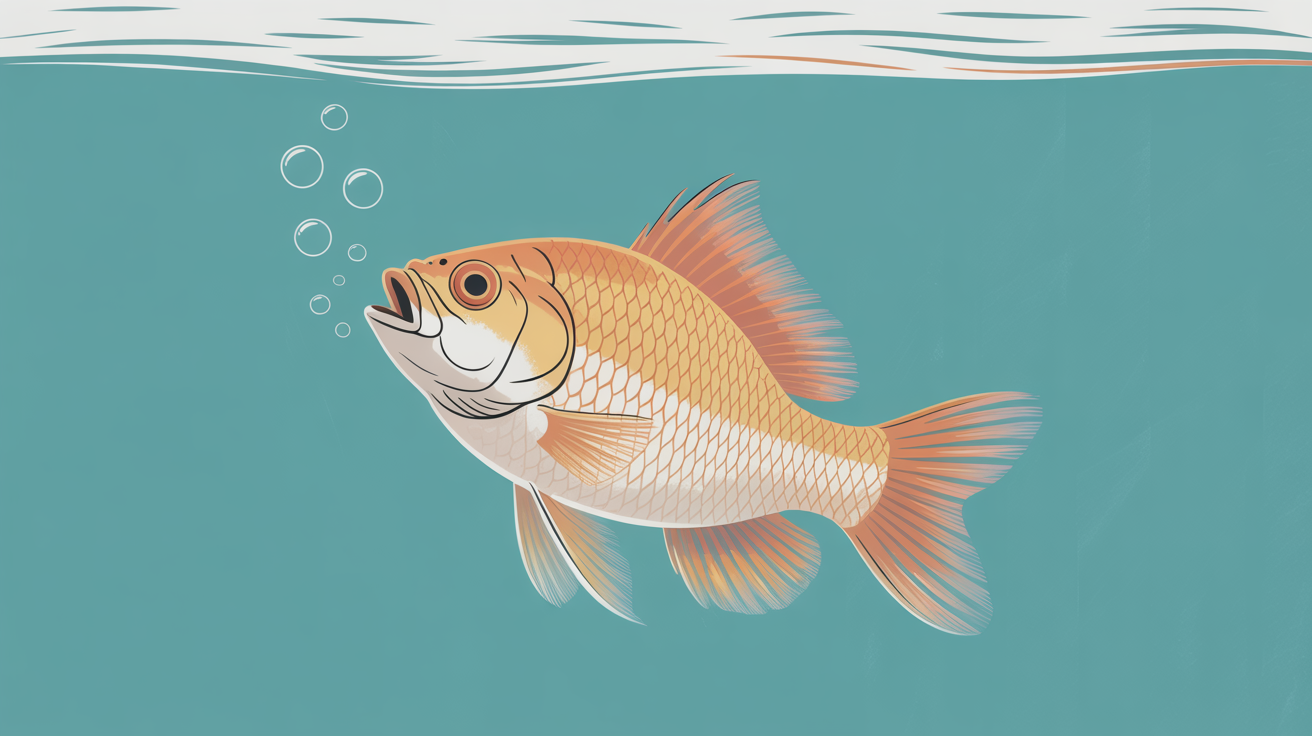
If you walk up to your tank and see one or more fish hanging at the top with their mouths working rapidly, that is an emergency signal, not a quirk. Surface gasping almost always means the fish cannot get enough oxygen from the water, though it can also point to gill damage, toxins, or disease. The fix depends on the cause, so the first step is to figure out what is actually happening.
Why Dissolved Oxygen Drops in an Aquarium
Fish extract oxygen from water as it passes over their gills. When dissolved oxygen (DO) falls below roughly 5 mg/L in a community tank, most fish start showing stress; below 3 mg/L, many will crowd the surface or die. Several things can drain oxygen fast:
- Overstocking. More fish means more oxygen consumption. A common guideline is 1 inch of fish per gallon, but heavy-bodied species like cichlids consume far more oxygen than slender tetras of the same length.
- High water temperature. Warm water holds less oxygen. At 75°F (24°C) water can hold about 8.3 mg/L; at 86°F (30°C) that drops to roughly 7.1 mg/L. Summer heatwaves or a faulty heater can push tanks past the safe zone.
- Dead or blocked filter. Your filter's return flow creates surface agitation that drives gas exchange. A clogged impeller or a filter that ran dry overnight can cut oxygen in hours.
- Heavy plant die-off or algae crash. Plants and algae produce oxygen during the day but consume it at night. A large algae bloom that suddenly dies, from an algaecide or a lighting failure, can crash DO overnight.
- Overcrowding live plants after lights-out. A heavily planted tank with no supplemental CO2 can dip dangerously low by morning because the plants shift from producing oxygen to consuming it once the lights go off.
- Adding too many live foods at once. A large dose of tubifex or bloodworms can introduce enough bacteria to spike decomposition and deplete oxygen locally.
Other Causes: It Is Not Always Low Oxygen
Surface gasping can look identical whether the problem is a lack of oxygen or something stopping the fish from using the oxygen that is there.
Ammonia and Nitrite Poisoning
Ammonia (NH3) and nitrite (NO2) damage gill tissue, making it impossible for fish to extract oxygen even from well-oxygenated water. A new tank cycling without fish-in precautions, or an old tank that crashed its nitrogen cycle after a medication wipe-out, are the usual culprits. Fish breathing fast with red streaks near the gills, clamped fins, and a tank that smells off are classic signs. Test your water. Ammonia should read 0 ppm and nitrite should read 0 ppm in an established tank.
Chlorine and Chloramine
Tap water treated with chloramine (which is now standard in most municipal supplies) does not off-gas the way plain chlorine does. Forgetting dechlorinator during a water change, or under-dosing it, can cause acute gill damage within minutes. Fish will gasp, show erratic swimming, and may develop pale or hemorrhaging gills. Always dose a chloramine-neutralizing dechlorinator, standard sodium thiosulfate drops only neutralize chlorine, not chloramine, proportional to the volume of new water added.
Gill Flukes and Bacterial Gill Disease
Parasitic flukes (Dactylogyrus spp.) and bacterial gill disease both cause labored breathing that looks exactly like oxygen deficiency, but the water chemistry will test fine. Look closely: are the gills swollen, pale, or discolored? Is there excess mucus? Are the fish scratching against decor? If your water parameters are good but the fish are still at the surface, a gill problem is worth investigating. This is one case where bringing a fish to an aquatic vet or experienced local fish store is genuinely worth it, gill biopsies or microscopy are the only reliable way to confirm flukes.
Dropsy or Systemic Infection
A severely ill fish with organ failure sometimes loses the ability to regulate buoyancy and drifts to the surface even without oxygen issues. Check for pineconing (scales sticking out like a pine cone), bloating, and lethargy. That is a separate problem from surface gasping due to poor water quality, though the two can coexist in a tank that has been neglected.
How to Respond Right Now
- Increase surface agitation immediately. Aim a powerhead or your filter return at the surface, or add an air stone connected to a pump. This is the fastest way to raise DO while you diagnose the root cause.
- Test water chemistry. Grab a liquid test kit (not strips, they are too imprecise for emergencies) and check ammonia, nitrite, nitrate, and pH. A DO meter is useful if you have one, though most hobbyists do not.
- Do a 25-30% water change with temperature-matched, dechlorinated water. This dilutes any toxins and tends to help regardless of the specific cause.
- Check and clean the filter. Rinse media in old tank water (never tap water) to preserve beneficial bacteria. Confirm the impeller is spinning.
- Lower the temperature gradually if it is above 78°F (26°C) by floating bags of ice water or adding a small clip-on fan blowing across the surface. One or two degrees per hour is safe; faster drops stress fish.
If you lost fish overnight and cannot identify a clear cause, consider setting up a quarantine tank to isolate survivors while you work through the problem.
Prevention: Keeping Oxygen Levels Stable
| Factor | Safe Range / Best Practice |
|---|---|
| Dissolved oxygen | Above 6 mg/L for most community fish |
| Water temperature | 72–78°F (22–26°C) for tropical community tanks |
| Stocking density | 1 inch of slender fish per gallon as a rough ceiling |
| Filter flow rate | 4–6× tank volume per hour (turnover) |
| Water changes | 25–30% weekly; always dechlorinate |
| Surface agitation | Visible ripple across at least half the surface |
Running an air pump with a stone is cheap insurance in warm months. For planted tanks, consider leaving the CO2 injection off at night (if you inject CO2 during the day) so oxygen levels stay up after lights-out. A simple timer handles this automatically.
Keep an eye on secondary symptoms too. A fish breathing fast after you added medication may be reacting to the treatment itself. Some medications, particularly copper-based treatments, are toxic at only slightly elevated doses and can cause gill irritation. Always check compatibility with your tank's inhabitants before dosing and stick to the recommended amounts.
Watch for early signs of disease that could complicate breathing issues, ich (white spot) causes fish to flash and scratch before it becomes obvious on the body, and fin rot is often a sign of chronic stress from poor water quality that can precede more serious health crashes.
Frequently Asked Questions
Can labyrinth fish gasping at the surface be normal?
Bettas, gouramis, and other labyrinth fish breathe atmospheric air using a specialized organ above their gills. You will often see them making brief, deliberate trips to the top. That is normal. What is not normal is frantic, rapid gulping while staying at the surface, or multiple non-labyrinth fish doing the same thing. If your betta is hanging at the surface motionless and breathing hard rather than taking quick air sips, something is wrong.
How quickly can low oxygen kill fish?
It depends on the species and how low oxygen drops. Some fish can tolerate 3 mg/L for hours; others start dying within 30 minutes. In a worst-case scenario, a crashed filter in a warm, overstocked tank, you can lose fish in a few hours overnight. This is why acting immediately when you see surface gasping matters more than waiting to diagnose the exact cause.
My water tests fine but fish are still gasping. What now?
If ammonia, nitrite, and nitrate are all in range and the temperature is appropriate, consider gill parasites, gill disease, or chloramine exposure from a recent water change. Also check whether you recently added any chemicals, treatments, or fertilizers, some plant fertilizers contain compounds that can stress fish at higher doses. At this point, consulting an aquatic vet or a knowledgeable local fish store is the right call.
Does an air stone actually add oxygen to the water?
An air stone does not inject oxygen directly, it creates surface agitation that increases gas exchange between water and air. The bubbles themselves contribute a small amount, but the real benefit is the turbulence at the surface. A powerhead or a spray bar angled at the surface does the same job, sometimes more efficiently. The key is movement at the water-air interface.
Should I add hydrogen peroxide to boost oxygen in an emergency?
This is a technique some experienced fishkeepers use in extreme emergencies, roughly 1 mL of 3% hydrogen peroxide per 10 gallons, added slowly to a high-flow area. It does temporarily boost DO. However, it is easy to overdose, and there are safer immediate options: surface agitation, a water change, and lowering the temperature. Unless you have no other option and are watching fish die, stick to the safer interventions first.