Health & Disease
How to Set Up and Use a Quarantine Tank
Learn how to set up an aquarium quarantine tank to protect your fish. Covers sizing, cycling, treatment protocols, and when to use a hospital tank.
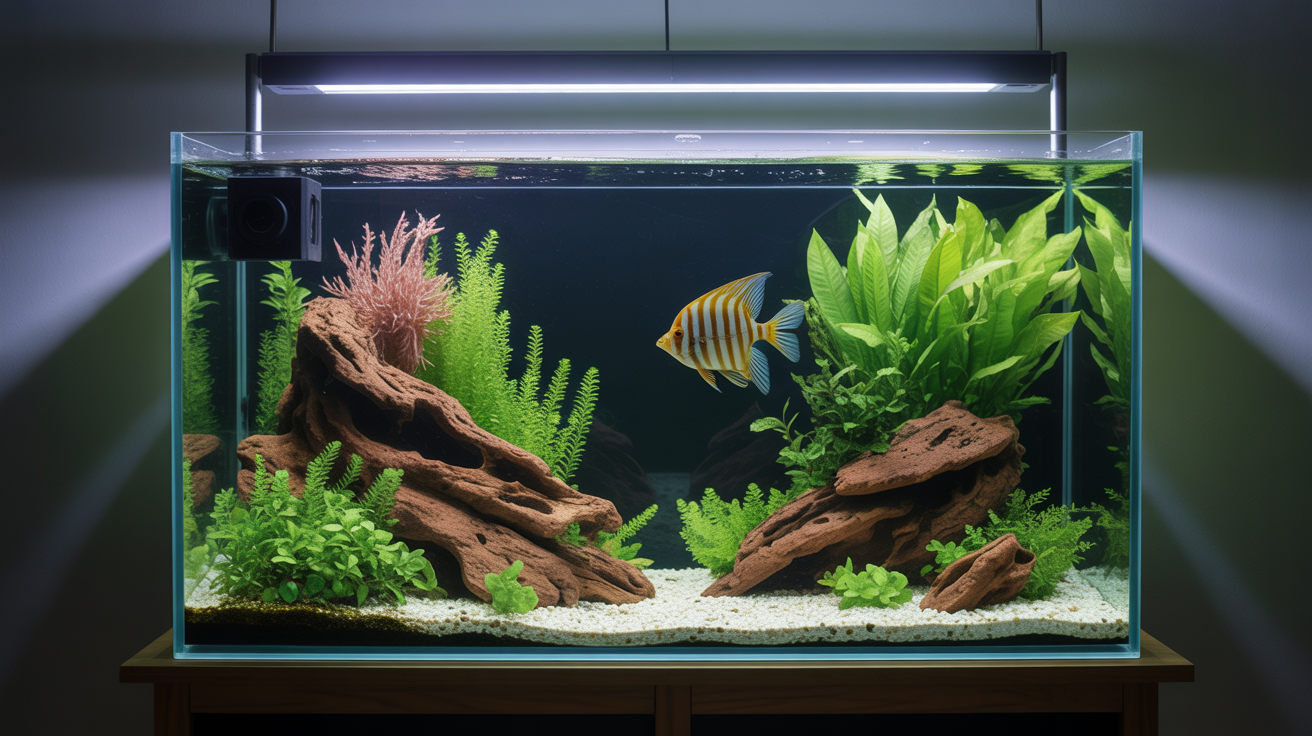
A quarantine tank is one of the cheapest insurance policies in fishkeeping. Spend 30 minutes setting one up now and you'll avoid the gut-punch of watching a disease tear through a display tank you spent months building.
The concept is simple: any fish that enters your home, or any fish that looks sick, lives in a separate, bare-bones tank for a few weeks before it touches your main system. It sounds like extra work, but most experienced hobbyists consider it non-negotiable.
Why Quarantine Fish at All
New fish carry pathogens they've been exposed to along the supply chain: fish farms, wholesalers, retail stores, shipping bags. Many look perfectly healthy on the day of purchase and show symptoms 5 to 14 days later, once the stress of transport suppresses their immune systems.
Common hitchhikers include ich (white spot), velvet, flukes, and bacterial infections. Ich alone can spread across an entire display tank within 72 hours. Treating an established planted tank full of community fish is far harder than treating one or two new arrivals in a bare 10-gallon box.
The same logic applies to fish you're already keeping. A fish showing clamped fins, surface gasping, or unusual spots goes into the quarantine tank immediately, both to protect tankmates and to give you a controlled environment where you can medicate without worrying about live plants, invertebrates, or biological filter bacteria sensitive to certain drugs.
Choosing the Right Tank Size
You don't need anything fancy. A 10-gallon (38 L) tank handles most small community fish. Go up to 20 gallons (75 L) if you keep larger cichlids, goldfish, or anything over 4 inches.
The guiding principle: fish need enough room to turn around comfortably and avoid crowding stress, but a smaller volume means medications reach therapeutic levels faster and water changes are quicker.
| Fish Size | Recommended QT Volume |
|---|---|
| Under 2 inches (5 cm) | 5–10 gallons (19–38 L) |
| 2–4 inches (5–10 cm) | 10–20 gallons (38–75 L) |
| 4–8 inches (10–20 cm) | 20–30 gallons (75–115 L) |
| Over 8 inches (20+ cm) | 40+ gallons (150+ L) |
A tight-fitting lid matters. Stressed fish jump.
Essential Equipment for a Hospital Tank Setup
The quarantine tank doesn't need to be beautiful. It needs to be functional and easy to clean.
Filter
A sponge filter rated for the tank volume is the standard choice. It's gentle on weak or injured fish, easy to clean, and can be stored wet in your main sump or a bucket of tank water between uses, keeping beneficial bacteria alive and ready. An air-driven box filter works too.
Avoid power filters with carbon media if you plan to use medication: activated carbon strips most medications out of the water within hours.
Heater
Use an adjustable submersible heater. Most tropical freshwater fish do best between 76–80°F (24–27°C). Some disease protocols call for raising temperature to 82–86°F (28–30°C) to speed up parasite life cycles, so an adjustable unit is worth the extra few dollars.
Hiding Spots
A bare tank stresses fish, which slows recovery. Add two or three pieces of PVC pipe, terracotta pots, or plastic tote lids cut into L-shapes. These give fish somewhere to hide without trapping detritus or absorbing medication.
Avoid anything porous (driftwood, live rocks) or planted. Natural materials can bind medications and become very difficult to disinfect.
Lighting
A basic clip-on LED is enough. Dim lighting reduces stress for a recovering fish. You don't need a full planted-tank spectrum.
Testing Kit
Keep a liquid test kit (not strips, which are less accurate) near the quarantine tank. You'll need to track ammonia, nitrite, nitrate, and pH at minimum. In a lightly cycled or uncycled QT, ammonia can spike fast.
Cycling the Quarantine Tank
This is the part most beginners skip, and it's the part that causes the most problems.
A fully cycled aquarium quarantine tank has established colonies of nitrifying bacteria that convert toxic ammonia into nitrite, then nitrite into the relatively harmless nitrate. In an uncycled tank, ammonia from fish waste builds up fast enough to burn gill tissue, which compounds any disease you're trying to treat.
Option 1: Pre-seeded sponge filter
Keep a second sponge filter running in your established display tank at all times. When you need the QT in a hurry, move that sponge over. It brings enough bacteria to handle a light bioload immediately.
Option 2: Bottled bacteria
Products like Tetra SafeStart or DrTim's Aquatics One and Only can establish a functional cycle in 24–48 hours at normal temperatures. Dose the full recommended amount, add one or two fish, and test ammonia every day for the first week.
Option 3: Fishless cycling beforehand
If you have 2 to 4 weeks and no emergency, dose ammonia to 2 ppm and let the tank cycle fully before you need it. This is the most reliable method but requires planning ahead.
If your tank is genuinely uncycled and you have a sick fish that can't wait, do small, frequent water changes (25–30% every 12 to 24 hours) to keep ammonia below 0.25 ppm while the tank establishes. It's extra work but it protects gill health during treatment.
Running a Quarantine Period for New Fish
For healthy new arrivals, the quarantine period is typically 2 to 4 weeks. During that time you're watching for:
- Spots, dusting, or lesions that weren't visible at the store
- Fin deterioration (a sign of fin rot or bacterial infection)
- Labored breathing or surface gasping (see our guide on why fish gasp at the surface)
- Unusual swimming behavior, hiding constantly, or refusal to eat after the first 48 hours
Feed lightly and observe carefully. A fish that eats well, swims normally, and shows no symptoms after 4 weeks is almost certainly safe to introduce to your display tank.
Prophylactic Treatment
Some hobbyists treat all new fish with a general antiparasitic and an anti-fluke medication as a matter of routine, regardless of visible symptoms. This is controversial — routine use of medication accelerates resistance and stresses healthy fish — but it's common practice among breeders who handle large volumes of fish from unknown sources. Whether to do this is a judgment call based on where your fish came from and your risk tolerance.
If you do choose prophylactic treatment, stick to one drug at a time, follow the label dosing exactly, and run a full course.
Treating a Sick Fish
When a fish is actively sick, the quarantine tank becomes a hospital tank. The approach depends on what you're treating.
Medication Basics
- Antiparasitics (for ich, velvet, flukes): check that the product is safe for your fish species; some are hard on scaleless fish like loaches and corydoras.
- Antibiotics: useful for bacterial infections but not effective against parasites. Don't use them "just in case."
- Salt: aquarium salt at 1 tablespoon per 5 gallons (19 L) is a mild general tonic and can help osmoregulation. It is NOT a substitute for targeted medication.
Remove any carbon from the filter before dosing. Carbon will remove medication from the water almost immediately.
Follow the full treatment course. Stopping early because the fish looks better is the most common reason diseases come back.
For anything beyond mild fin fraying or a clear case of ich, consult an aquatic veterinarian or an experienced local fish store. Symptoms can overlap significantly between diseases, and treating the wrong thing wastes time while the fish gets sicker.
After Treatment
Before returning a fish to the display tank, do a large water change (50%), run carbon for 24 to 48 hours to clear remaining medication, and confirm the fish is eating normally and showing no symptoms.
Maintaining the Tank Between Uses
The quarantine tank doesn't need to run full-time, but it needs to be ready fast.
Between uses, keep the sponge filter running in your sump or in a bucket with a small amount of tank water and an airstone, refreshing the water weekly to keep bacteria alive. Store the heater and other equipment nearby.
When you're ready to set up again, fill the tank with aged or dechlorinated water, install the seeded sponge, dial the heater to the target temperature, and you're ready in under an hour.
After treating a diseased fish, disinfect the tank, filter, and all equipment before storage. Bleach solution (1 part bleach to 9 parts water, 10-minute soak) followed by thorough rinsing and air-drying is reliable. Don't share nets, siphons, or buckets between the QT and display tank without disinfecting them first.
Frequently Asked Questions
How long should I quarantine new fish?
Four weeks is the standard recommendation for most freshwater fish. That's long enough for most common diseases to show symptoms under the stress of transport and a new environment. If you're combining fish from multiple sources, run the full 4 weeks from the date the LAST fish arrived.
Can I quarantine multiple fish together?
You can, as long as they're from the same source and arrived at the same time. Mixing fish from different batches resets the quarantine clock and risks cross-contaminating fish that were healthy. Keep batches from different stores or shipments separate.
Does the quarantine tank need to be cycled?
Ideally, yes. An uncycled tank can develop ammonia spikes that damage gill tissue and make treatment harder. At minimum, use a pre-seeded sponge filter from your main tank. If you have no choice but to run uncycled, do daily water changes to keep ammonia below 0.25 ppm.
Can I use the quarantine tank as a breeding tank?
Physically yes, but it creates complications. Medications and residue can harm eggs and fry. More importantly, a breeding setup is usually not disinfected or stripped down after use, which means it can harbor pathogens when you need it as a hospital tank. A dedicated QT is better kept available and clean.
What if my fish doesn't improve after a full treatment course?
Stop the current medication, do a large water change, and reassess. Some conditions require a different medication class, and running more of the same drug won't help if it was the wrong diagnosis. At this point, a visit or call to an aquatic vet is genuinely the best next step, not a last resort.