Health & Disease
Swim Bladder Disorder in Aquarium Fish
Learn what causes swim bladder disorder, why fish swim sideways or float upside-down, and how to treat betta and other freshwater fish at home.
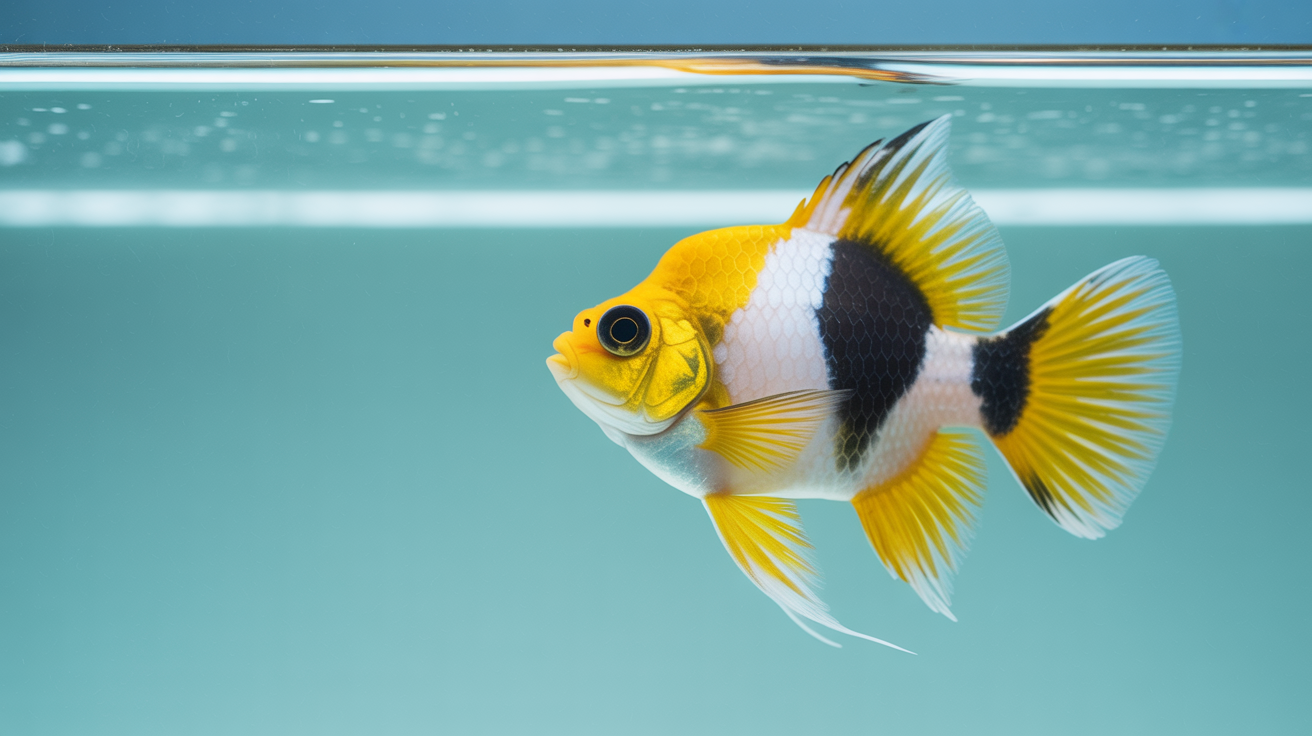
Few things stop a fishkeeper mid-step like spotting their betta drifting sideways near the surface, or a goldfish stuck nose-down at the bottom of the tank. Swim bladder disorder is one of the most common complaints in freshwater aquariums, and the good news is that it is usually manageable at home. This guide walks through what the swim bladder actually does, what can go wrong, and how to help your fish recover.
What Is the Swim Bladder and What Does It Do?
The swim bladder is a gas-filled organ that sits in the body cavity of most bony fish. Its job is buoyancy regulation: the fish adjusts the amount of gas inside the bladder to stay at a given depth without burning energy constantly swimming up or down. Think of it as a built-in float.
When the organ is working properly, fish can hover in place, rise, or sink with minimal effort. When something disrupts it, the fish loses that fine control. You will see tilting, rolling, floating to the surface when resting, or sinking to the substrate even when the fish tries to swim upward.
The disorder is not a single disease in itself. It is a symptom that points to one of several underlying causes, which is why the first job is figuring out which one is at play before reaching for a treatment.
Common Causes of Swim Bladder Disorder
Overfeeding and Constipation
This is the most frequent culprit in bettas and fancy goldfish. When a fish eats too much, the digestive tract distends and presses against the swim bladder, preventing it from inflating or deflating correctly. Dry pellets and freeze-dried foods absorb water and expand inside the fish, making the problem worse.
Signs that constipation is involved: the fish is otherwise alert, eating normally or with slightly reduced appetite, and the belly looks rounder than usual. You may notice the fish floating near the top after meals rather than all the time.
Gulping Air at the Surface
Bettas are labyrinth fish, meaning they breathe air from the surface in addition to taking oxygen through their gills. A betta that repeatedly gulps air, especially when fed floating pellets, can take in enough air to temporarily throw off buoyancy. It is less of a structural problem and more of a feeding-method issue.
Switching to sinking pellets or soaking floating ones until they sink can reduce this significantly.
Bacterial Infection
A bacterial infection in the gut or body cavity can cause inflammation that reaches the swim bladder. This is a more serious cause and often comes with other symptoms: loss of color, clamped fins, lethargy, or visible swelling. A fish that looks genuinely unwell, not just awkward in its swimming, is more likely dealing with an internal infection than simple constipation.
Bacterial causes require a different approach than dietary ones, and medication dosing for internal infections is best handled by an aquatic veterinarian or an experienced local fish store.
Physical Injury or Birth Defect
A hard collision with tank decor, aggressive tankmates, or netting trauma can injure the swim bladder directly. In fancy goldfish varieties with shortened, rounded bodies (orandas, ryukin, telescope-eye), the compressed body plan naturally crowds the organs, making them predisposed to chronic buoyancy problems. Some of these fish will never fully resolve the issue and need permanent accommodations.
Poor Water Quality
Chronic exposure to elevated ammonia or nitrite stresses fish and suppresses their immune systems, leaving them vulnerable to secondary infections including those that affect the swim bladder. If a swim bladder problem appears alongside other fish showing stress or illness, test your water before anything else. Problems like ich (white spot) and fin rot often travel alongside water quality issues.
How to Diagnose the Likely Cause
Before treating, spend a few minutes observing the fish and reviewing what has changed in the tank.
| Observation | Likely Cause |
|---|---|
| Happened after a large meal | Overfeeding / constipation |
| Betta floats after gulping at surface | Air ingestion from feeding |
| Fish is lethargic, colors faded | Bacterial infection |
| Only one fish affected, others fine | Injury or individual issue |
| Multiple fish affected, recent parameter spike | Water quality |
| Fancy goldfish, ongoing issue | Body shape / chronic condition |
Test ammonia, nitrite, and nitrate even if you suspect a dietary cause. It takes two minutes and rules out the most dangerous underlying factor.
Swim Bladder Treatment at Home
Start with a Fast
For mild cases in bettas and goldfish where constipation is the likely cause, withhold food for two to three days. This allows the digestive tract to clear and reduces pressure on the swim bladder. Many fish recover on their own during this period.
After the fast, offer a single cooked, shelled green pea cut into small pieces. The soft fiber helps move things along. Avoid freeze-dried foods for a week or two and switch to high-quality sinking pellets in smaller, more frequent portions rather than one large feeding.
Adjust the Water Level and Temperature
Keeping a recovering fish in shallower water reduces the physical effort required to swim from bottom to surface. A hospital container or a quarantine tank with six to eight inches of water is much gentler than asking a tilting fish to navigate a full 20-gallon.
For bettas, a temperature in the upper end of their range (78 to 80 degrees Fahrenheit) supports digestion and immune function. Do not raise temperature so high that it stresses the fish.
Salt Baths
Aquarium salt at a low dose (one teaspoon per gallon as a starting point) reduces the osmotic work the fish has to do, which can relieve some stress and support recovery. This is a supportive measure, not a cure. Use only plain aquarium salt or non-iodized kosher salt, not table salt with additives.
Bacterial Infections Require Veterinary Guidance
If the fish is not improving after fasting, is getting visibly worse, or shows signs of systemic infection, home remedies will not be enough. Over-the-counter antibiotics are available in many markets, but using the right one at the right dose for internal infections is not straightforward. An aquatic vet or a fish-specialist store can help identify what you are dealing with and recommend appropriate medication.
The Home Aquarist is an independent guide; our articles are general fishkeeping information, not veterinary advice. For a fish that is genuinely sick, please consult a professional.
Managing Chronic Swim Bladder Problems in Fancy Goldfish
Fancy goldfish with compressed body shapes often develop swim bladder issues that cannot be fully resolved because the organ itself is crowded by the fish's anatomy. For these fish, the goal shifts from cure to management:
- Feed a diet heavy in gel food, fresh vegetables, and sinking pellets rather than floating flakes
- Avoid overfeeding; divide daily rations into two or three small meals
- Maintain excellent water quality with regular partial water changes
- Keep the aquarium shallow if the fish struggles to reach the bottom
Some keepers also use a floating feeding ring to train the fish to eat near the surface, which reduces the amount of water they ingest while foraging at the bottom. It is a small adjustment that can make a noticeable difference.
A fish with a chronic condition can still live a full, comfortable life with the right setup. Watch for secondary problems like fin rot in fish that spend time at the bottom, since trailing fins in contact with substrate or gravel can become damaged and infected.
Frequently Asked Questions
Why is my betta fish swimming sideways but still eating?
A betta that eats normally but swims at a tilt after meals most likely has a dietary cause: overfeeding, constipation, or air ingestion from gulping floating food. Start with a two to three day fast, then offer a tiny piece of cooked, shelled pea. Switch to sinking pellets and reduce portion size. Most bettas in this situation recover within a week.
Can swim bladder disorder kill a fish?
The disorder itself is not always fatal, but it depends heavily on the cause. A betta with mild constipation-related buoyancy problems and good water quality usually recovers. A fish with a severe internal bacterial infection that is left untreated is at serious risk. Watch for signs of deterioration (worsening color, spreading lethargy, bloating) and act quickly if the fish seems to be getting worse rather than better.
How long does swim bladder disorder last?
Dietary causes often resolve within one to two weeks with fasting and adjusted feeding. Injury-related cases may take longer, and some never fully resolve. Chronic cases in fancy goldfish may never completely clear up. If a fish is not showing any improvement after two weeks of proper care, consulting an aquatic vet is a reasonable next step.
Is swim bladder disorder contagious?
Swim bladder disorder caused by overfeeding, injury, or body shape is not contagious. If the cause is bacterial, the underlying infection can spread under poor water conditions, though other fish developing the same symptom is more often a sign of a shared environmental problem like deteriorating water quality than direct transmission.
Should I isolate a fish with swim bladder disorder?
Isolation in a quarantine tank is worthwhile for several reasons: it reduces competition for food, allows you to monitor the fish closely, simplifies treatment if medication becomes necessary, and protects a fish that cannot swim normally from being harassed by tankmates. If you do not have a dedicated hospital tank set up, this is a good moment to put one together. A simple bare-bottom setup is all you need.