Health & Disease
Dropsy in Fish: Symptoms and What You Can Do
Dropsy in fish causes a pinecone-like appearance as scales protrude outward. Learn what it is, why it happens, how to treat it, and whether it can spread to...
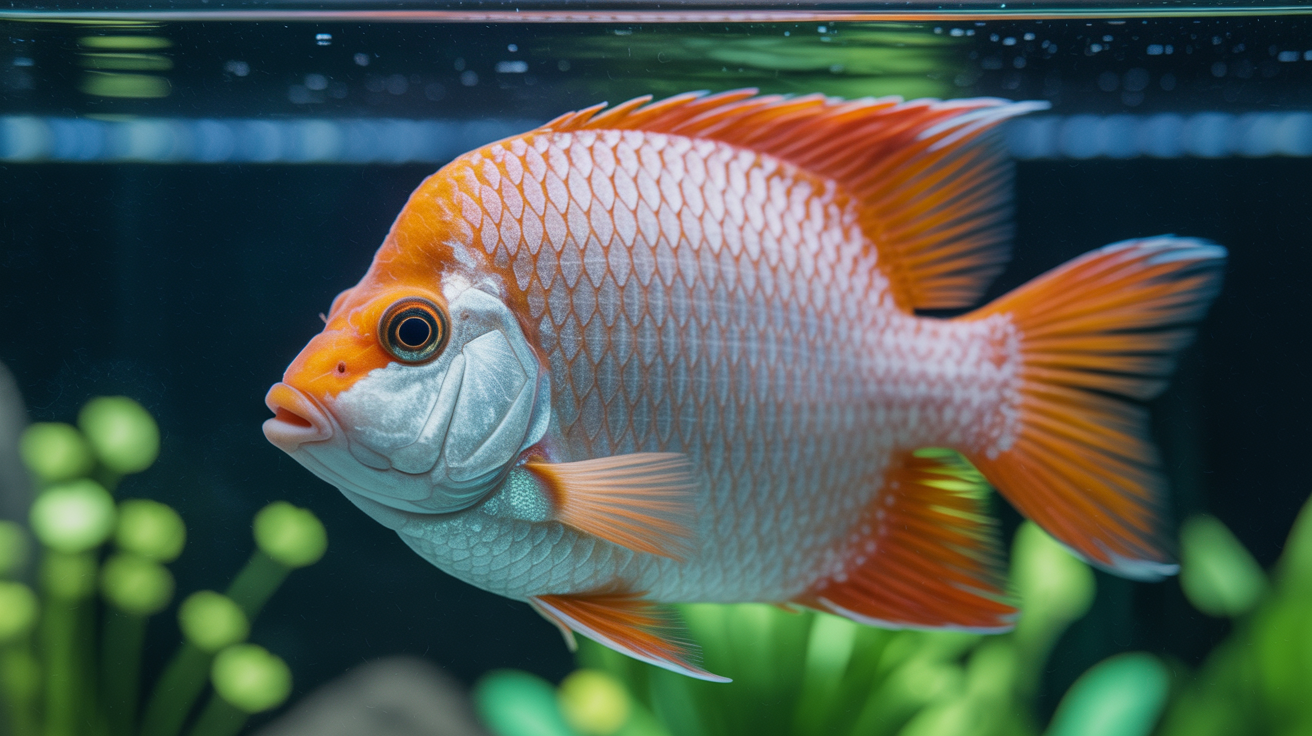
Noticing that a fish has swollen up and its scales are sticking outward is one of the more unsettling sights in the hobby. If you're dealing with that right now, this guide covers what dropsy actually is, what drives it, and what you can realistically do to help your fish.
A word upfront: dropsy carries a guarded prognosis. Many fish do not recover once the visible symptoms appear. That's worth knowing early so you can make informed, welfare-conscious decisions rather than chasing expensive treatments that may not change the outcome.
Dropsy Is a Symptom, Not a Single Disease
The first thing to understand is that "dropsy" is not a diagnosis. It describes a cluster of symptoms, primarily fluid accumulation inside the body cavity. That fluid buildup puts pressure on the organs and eventually forces the scales away from the body wall, producing the distinctive pinecone appearance that gives the condition its alternative name: pinecone disease.
The underlying cause of that fluid accumulation can be several things: a bacterial infection (most often Aeromonas hydrophila or similar gram-negative bacteria), a parasitic infection, a viral infection, kidney failure, or organ damage from poor water quality or long-term stress. Because the root cause varies, there is no single guaranteed treatment that works every time.
Think of it the way you might think of "fever" in a human. Fever is a symptom; what causes it determines the treatment. Dropsy works the same way.
What Dropsy Looks Like: Recognizing the Signs
Catching dropsy early improves the odds slightly, so it's worth knowing what to watch for before the classic pinecone appearance fully develops.
Early Warning Signs
- Mild, symmetrical bloating of the abdomen
- Lethargy or reduced activity compared to the fish's normal behavior
- Loss of appetite or spitting out food
- Clamped fins held close to the body
- The fish spending more time at the surface or resting on the bottom
Later-Stage Symptoms
- Obvious abdominal swelling, sometimes dramatically so
- Scales visibly lifting away from the body when viewed from above (the pinecone look)
- Protruding eyes (exophthalmia), sometimes in one or both eyes
- Pale or reddened gills
- Curved or hunched spine
- Ulcers or sores on the skin
By the time the pinecone scales fish keepers often describe are obvious, the organs are typically under significant stress. This is why internal organ health is hard to restore even with appropriate treatment.
Why Fish Get Dropsy: Root Causes
Healthy fish with well-functioning immune systems can usually fight off the bacteria commonly associated with dropsy. The condition tends to emerge when something else has already compromised the fish.
Water Quality Problems
This is the most common underlying factor. Elevated ammonia, nitrite, or nitrate, swings in pH, or temperature instability all stress the immune system over time. A fish living in consistently poor water is far more vulnerable to opportunistic infections.
If you haven't tested your water yet, do that now. Focus on ammonia, nitrite, nitrate, and pH. Fin rot often appears for the same reasons, so if you're seeing both problems in a tank, water quality is the most likely thread connecting them.
Physical Injury or Stress
Wounds from nipping, rough handling, or sharp decor can introduce bacteria. Fish kept with aggressive tankmates or in overcrowded conditions are chronically stressed, and chronic stress suppresses immune response.
Internal Parasites
Some internal parasites damage organs directly and set the stage for secondary bacterial infections that progress to dropsy-like symptoms.
Dietary Issues
Long-term nutritional deficiency, particularly from an overly monotonous diet, can weaken internal organ function. Fatty liver disease from feeding too much dried food and not enough variety is one example.
Old Age or Pre-existing Organ Problems
In older fish, kidney and liver function decline naturally. Sometimes dropsy in a senior fish reflects organs that have simply reached the end of their working life.
Moving Quickly: Isolation and Immediate Steps
The moment you spot the signs of dropsy, move the affected fish. Isolation serves two purposes: it removes the fish from potential stressors in the main tank, and it allows you to treat without affecting your other livestock.
Setting up and using a quarantine tank is worth reading if you don't have one ready. For an emergency situation, a clean spare tank or even a large container with a heater and sponge filter works. Match the temperature and pH to the main tank as closely as you can to avoid adding stress.
Once the fish is isolated, do the following:
- Add one level teaspoon of aquarium salt (sodium chloride, not table salt) per gallon of water in the quarantine tank. This helps the fish regulate the osmotic pressure that fluid accumulation disrupts.
- Keep lighting low or dim the tank. A stressed, sick fish benefits from reduced stimulation.
- Maintain excellent water quality in the quarantine tank with small daily water changes (around 25 percent), replacing the salt you remove.
- Observe feeding carefully. If the fish is still eating, that's a modestly positive sign; if appetite is completely gone, prognosis is poorer.
Treatment Options and Managing Expectations
There is no over-the-counter cure for dropsy that reliably resolves it once the pinecone scales appear. What you can do is treat the most common underlying cause (bacterial infection) and support the fish while its body tries to fight back.
Antibiotic Treatment
A broad-spectrum antibiotic is the most commonly attempted medical intervention. Products containing kanamycin, minocycline, or trimethoprim-sulfa are often cited by experienced fishkeepers. Dosing instructions on the packaging apply only to healthy fish, and a fish in organ distress may respond differently. For anything involving medication dosing or if symptoms are severe, consulting an aquatic veterinarian is the right call. The Home Aquarist does not provide specific medication dosing advice.
Supportive Care
Salt, clean water, and reduced stress are genuinely helpful regardless of the underlying cause. They are not a cure, but they give the fish the best environment to mount a recovery if it's capable of one.
When to Consider Euthanasia
This is a hard topic, but it matters. If a fish is listing on its side, no longer responding to food, visibly wasting, or showing signs of pain (rapid, labored breathing; inability to maintain position), euthanasia is the most humane option. A clove oil solution is the most widely accepted method for aquarium fish. Letting a fish suffer through an irreversible illness is not the kindest choice.
Is Dropsy Contagious?
This is one of the most common questions, and the short answer is: not directly, but the conditions that caused it can affect other fish.
Dropsy itself is not passed from fish to fish the way ich spreads. You don't need to treat the entire main tank as though it's infected. However, the bacteria often associated with dropsy are naturally present in most aquariums. They become dangerous when a fish is already weakened. If your water quality is poor or something else is stressing your fish, other inhabitants could eventually develop problems too.
After removing the sick fish, test your main tank water and address any issues you find. A partial water change is a good precaution. You don't need to tear down and sterilize the tank unless you've had a confirmed outbreak of a specific contagious pathogen.
Frequently Asked Questions
Can a fish fully recover from dropsy?
Some do, particularly if the condition is caught early and the underlying cause (such as a correctable water quality issue) is addressed quickly. By the time the full pinecone appearance is present, full recovery is less common, but it does happen. Prognosis depends heavily on the root cause and how much organ damage has already occurred.
How long does dropsy take to progress?
It varies. Some fish can show early bloating and then deteriorate within a few days. Others hold stable for a week or more. The speed of progression sometimes reflects the cause: a sudden bacterial infection can move fast, while gradual organ failure may develop slowly over weeks.
Should I treat the whole tank if one fish has dropsy?
Generally no. Because dropsy is a symptom rather than a contagious disease itself, a whole-tank antibiotic treatment is not usually warranted. Isolate the sick fish, test your water, and monitor the remaining fish closely for any new symptoms.
My fish looks bloated but the scales aren't sticking out. Is it dropsy?
Not necessarily. Bloating without raised scales can be caused by constipation, internal parasites, overfeeding, or egg binding in female fish. Dropsy specifically involves fluid accumulation that eventually lifts the scales. If the scales are still flat against the body, the problem may be something else entirely, and it's worth investigating water quality and the fish's recent diet first.
Does aquarium salt actually help with dropsy?
It won't cure the underlying cause, but it does address one of the consequences. Fluid accumulating inside the fish creates an osmotic imbalance. Adding salt to the water reduces that imbalance and eases some of the strain on the kidneys. It's supportive, not curative, but it's a reasonable first step while you figure out next actions.