Health & Disease
Common Aquarium Fish Diseases and How to Spot Them Early
Learn to recognize the early warning signs of common freshwater fish diseases like ich, fin rot, velvet, and dropsy before they spread through your tank.
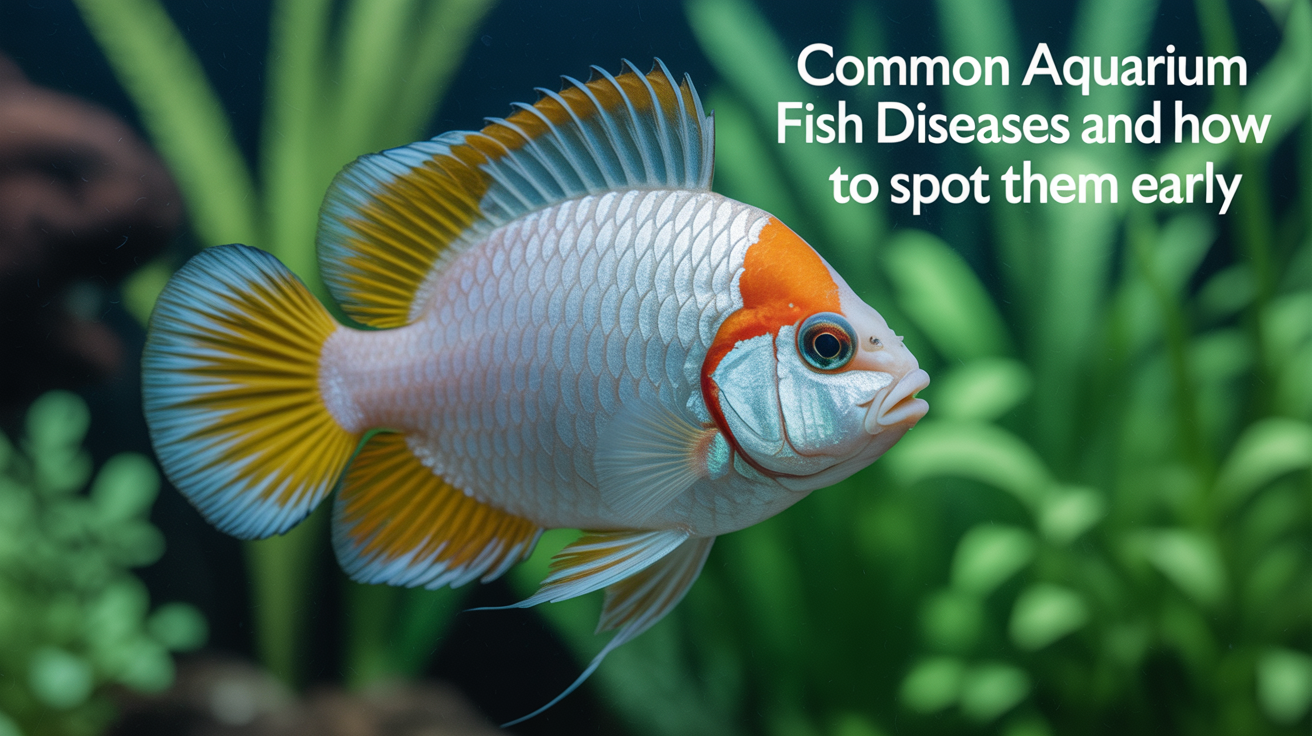
Keeping freshwater fish healthy comes down to one skill more than any other: noticing when something is off before it gets serious. A fish that looks slightly off on Monday can be critically ill by Thursday if the underlying problem goes untreated. The good news is that most common diseases give you clear warning signs if you know what to look for.
This guide covers the diseases freshwater hobbyists encounter most often, what they look like in the early stages, and why water quality is almost always part of the story.
The Home Aquarist is an independent resource. Nothing here is veterinary advice. For a sick fish, especially one showing severe symptoms or where you are unsure about medication dosing, please consult an aquatic veterinarian or an experienced local fish store.
Why Water Quality and Stress Come First
Before getting into specific diseases, it helps to understand why fish get sick in the first place. Freshwater fish carry many pathogens on their bodies all the time, just as healthy people carry bacteria on their skin. The immune system keeps those pathogens in check. When a fish is stressed or the water is poor, the immune system weakens and pathogens gain the upper hand.
The most common stressors in a home aquarium are:
- Ammonia or nitrite spikes from an uncycled tank or overfeeding
- Sudden temperature swings of more than a degree or two in a short period
- Overcrowding and the aggression that comes with it
- Poor oxygenation from inadequate surface movement
- Improper pH for the species you are keeping
If you see disease in your tank, test your water the same day. Treating the disease without fixing the water is like patching a tire that is still on a nail. The fish may recover temporarily, then crash again.
Six Diseases Worth Knowing by Sight
Ich (White Spot Disease)
Ich is caused by the parasite Ichthyophthirius multifiliis and is one of the most frequently diagnosed diseases in freshwater fishkeeping. You will recognize it by the small white dots that appear on the fish's body and fins, each one roughly the size of a grain of salt. The fish often rubs or "flashes" against gravel, plants, and decor as the parasites irritate the skin.
Early ich can look like just a few spots, which is easy to dismiss. By the time the fish is heavily coated, the gills may be affected and breathing becomes labored.
The parasite has a lifecycle that includes a free-swimming stage where it is vulnerable to treatment, and a cyst stage on the fish where most medications cannot reach it. Treatment needs to continue long enough to catch the free-swimming stage, which means several days at minimum. Temperature affects how quickly the lifecycle turns over.
For a detailed treatment walkthrough, see Ich / White Spot: How to Identify and Treat It.
Fin Rot
Fin rot is a bacterial infection (sometimes fungal) that causes the fins to fray, discolor, or develop a ragged edge. It typically starts at the tips of the fins and works inward. In early stages, you might notice a slight cloudiness or white edging on the tail or dorsal fin. Left untreated, the infection can reach the fin base and damage underlying tissue.
Fin rot almost always has a trigger: a water quality problem, a small wound from another fish, or stress from a recent tank move. Aggressive tankmates are a common culprit, especially nippy species kept with long-finned fish like bettas or angelfish.
Treatment usually involves water changes to improve conditions and, in moderate to severe cases, a broad-spectrum antibiotic appropriate for your region and species. Catching it while the fins still have structure makes recovery much faster. See Fin Rot: Causes, Treatment, and Prevention for a step-by-step approach.
Velvet (Gold Dust Disease)
Velvet is caused by the dinoflagellate Oodinium and produces a fine dusty or velvety coating on the fish's skin, often gold or rust-colored in certain light. It can be hard to see at first, especially on darker fish. A useful trick: shine a small flashlight at a low angle across the fish's body in a darkened room. The fine particles catch the light in a way that a clean fish's slime coat does not.
Fish with velvet typically clamp their fins, breathe rapidly, and scratch against surfaces. The gills are often affected early. Velvet progresses faster than ich and can be fatal within days in severe cases, so it warrants prompt action once identified.
Dropsy
Dropsy is not technically a single disease but rather a symptom complex, usually involving fluid buildup in the body cavity, that causes the fish to swell and the scales to protrude outward. Seen from above, a fish with dropsy looks like a pinecone, which is why it is sometimes called pinecone disease.
Dropsy is almost always a sign of organ failure, often kidney-related, triggered by a bacterial infection. It is serious and difficult to treat once the pinecone presentation is obvious. Very early dropsy may show only mild swelling before scale protrusion begins, which is why any sudden change in body shape warrants attention.
Unfortunately, by the time dropsy is visually obvious, the prognosis is often poor. Some fish do recover with supportive care and antibiotic treatment, but many do not. Focusing on water quality, reducing stress, and quarantining affected fish quickly gives you the best chance.
Fungal Infections
True fungal infections in freshwater fish usually appear as white or gray cotton-like tufts on the body, fins, or mouth. They often develop at wound sites, which is why they sometimes follow ich or physical injury. The cotton-wool appearance is fairly distinctive.
Columnaris, a bacterial infection, can look similar but tends to be more uniform and may have a yellowish or brownish tinge. Getting the diagnosis right matters because antibacterial and antifungal treatments are different.
Fungal infections respond well to antifungal medications when caught before the infection spreads to the gills or internal tissues. Improving water quality and removing any decor with sharp edges that could cause abrasions helps prevent recurrence.
Swim Bladder Disorder
When a fish swims sideways, floats involuntarily near the surface, or sinks to the bottom and struggles to rise, the swim bladder is likely involved. The swim bladder is an internal gas-filled organ that helps fish maintain buoyancy.
In fancy goldfish and bettas, this is a common complaint. Causes range from constipation (a temporary and often fixable issue) to infection, physical injury, or congenital defects. A fish that has been struggling with buoyancy for a few days and is still eating is more likely to recover than one that has been sitting on the substrate for a week without interest in food.
Fasting the fish for two or three days is a reasonable first step for mild cases. If the fish is not improving or is clearly in distress, a wet consultation with an aquatic vet is worth the effort.
Behavioral Changes: The Earliest Warning Signs
Behavioral changes usually appear before visible physical symptoms, which makes them the most valuable early-warning system you have. Get in the habit of watching your fish during feeding, not just glancing at the tank.
| Behavior | Possible Causes |
|---|---|
| Scratching or flashing against surfaces | Ich, velvet, gill flukes, irritated skin |
| Clamped fins (held tight to body) | Stress, velvet, bacterial infection, poor water |
| Hiding more than usual | Stress, bullying, early illness |
| Loss of appetite | Illness, stress, water quality issue, wrong temperature |
| Rapid or labored breathing at surface | Low oxygen, gill damage, ammonia spike |
| Erratic or uncoordinated swimming | Swim bladder issue, neurological problem, poisoning |
| Color fading or dark patches | Stress, fungal infection, injury |
Any single behavior on this list warrants a water test. Two or more behaviors together, especially in combination with even slight physical changes, means it is time to isolate the fish and investigate further.
When to Quarantine
Quarantine serves two purposes: protecting healthy tankmates and giving you a controlled environment to treat a sick fish without dosing the whole tank. A spare 10-gallon tank, a sponge filter, and a heater is all you need for an effective quarantine setup.
Move a fish to quarantine as soon as you suspect illness rather than waiting for a firm diagnosis. Most treatments are safer and more effective in a bare-bottom quarantine tank where you can control conditions precisely and avoid medicating live plants, invertebrates, or beneficial bacteria in the display tank.
For guidance on setting up an effective isolation space, see How to Set Up and Use a Quarantine Tank.
A Word on Medications
It is tempting to treat at the first sign of a problem, but over-treating or treating with the wrong medication can stress fish further and can harm nitrifying bacteria. Accurate diagnosis before treatment gives better outcomes than guessing and reaching for the broadest-spectrum product on the shelf.
When you do use medications:
- Remove activated carbon from the filter (it will absorb the medication)
- Follow dosing instructions precisely rather than estimating
- Complete the full treatment course even if the fish looks better partway through
- Monitor ammonia and nitrite during treatment, as some medications affect the nitrogen cycle
If you are unsure what you are dealing with, a local fish store that does disease consultations, or an aquatic veterinarian, can often narrow down the cause from photos and a description of symptoms.
Frequently Asked Questions
How do I know if my fish is sick or just acting differently because of something else?
The clearest signal is a change from the fish's established baseline. A fish that was active and eating well and is now hiding and refusing food is more likely ill than one that has always been reclusive. Combined symptoms, such as behavioral changes alongside physical spots, cloudiness, or unusual coloring, point more strongly toward disease. When in doubt, test the water first.
Can one sick fish infect the whole tank?
Yes, especially with contagious parasites like ich and velvet. The free-swimming stages of these parasites are already present in the tank water once a fish is infected. This is why quarantining new fish before adding them to a display tank is one of the most effective disease-prevention habits you can build.
Is it safe to use medications in a planted tank?
Some are, some are not. Many plant-safe medications exist, but check the label and do your research before dosing. Treating in a quarantine tank avoids the question entirely and is generally the safer choice when you have a heavily planted display.
What should I do if a fish dies suddenly with no prior symptoms?
Do a water test immediately. A sudden death can indicate a spike in ammonia, nitrite, or a toxin in the water (cleaning products, new decor leaching something harmful). Watch the remaining fish closely for the next 48 hours. If you lose a second fish, quarantine the rest while you investigate.
When is it time to see an aquatic vet?
If symptoms are severe, progressing quickly, or not responding to standard over-the-counter treatment after a full course, an aquatic vet is the right call. They can perform diagnostics that a hobbyist cannot, including microscopic examination of scrapings to confirm the pathogen. Dropsy, unresponsive infections, and neurological symptoms are all cases where professional input matters.